


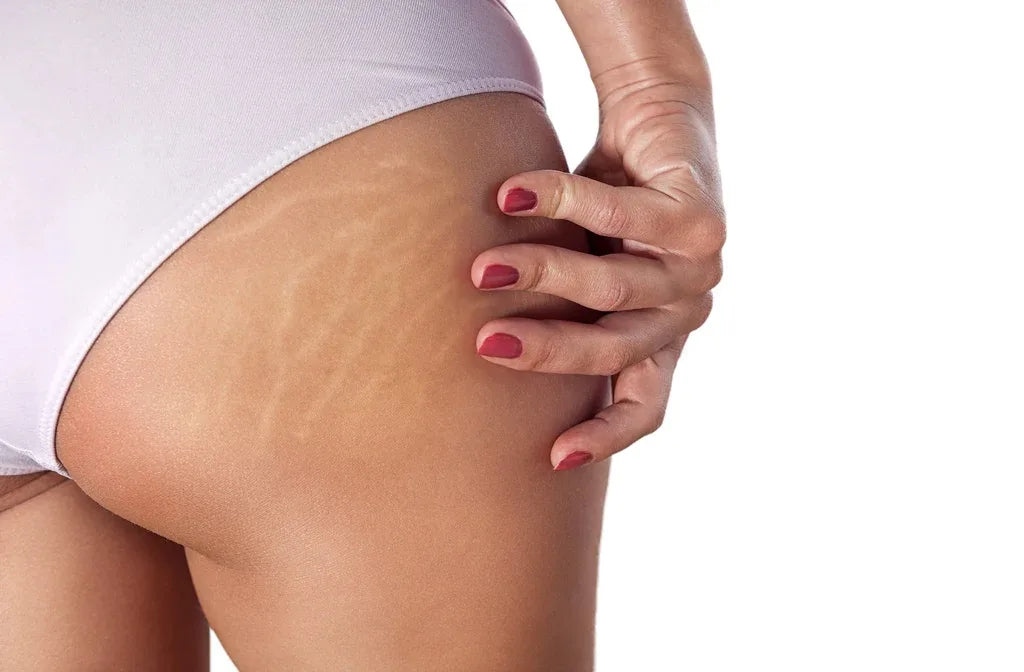
How to Get Rid of Stretch Marks: What Fades New and Old Marks
You can't fully erase stretch marks, but you can make them fade a lot. New, red or purple marks respond best, so start early with a cream that has glycolic acid or retinoids and daily moisturizing. Old, white stretch marks fade more slowly; creams soften their texture, while laser or microneedling at a dermatologist give the biggest change. Be patient: most treatments need 8-12 weeks of daily use.
Our skin goes through various changes throughout the years as a result of countless factors, such as aging, hormonal variations, environmental stress and lifestyle choices. Sometimes we're comfortable with these badges of transition, but some of them might make us feel unhappy about the way our bodies look.
Though there is no medical cure-all for how to get rid of stretch marks on the body, there are specific ways to deal with them so they fade and become far less visible. Keep reading to learn how we get them, why they form on the thighs, stomach, arms and breasts, and the most common ways to get rid of stretch marks, from creams to home remedies.
What Are Stretch Marks?
Stretch marks, also called striae, are long, narrow, off-colored stripes and streaks that appear when your skin stretches or shrinks too rapidly. When skin changes fast, the collagen and elastin that support it rupture. While stretch marks are generally associated with pregnancy, they also form with puberty, certain medications, genetics, and sudden weight gain or weight loss.
Many of us think of stretch marks as a female concern, but men get them too. Since men are also prone to rapid body changes, they develop stretch marks just as easily. Bodybuilders are at greater risk where they gain muscle, so stretch marks on thighs, arms and inner thighs are common among them.
How are stretch marks formed?
Collagen and elastin sit in the dermis, the middle layer of the skin, and give it strength and elasticity. When the body changes faster than the skin can adapt, the fibers in the connective tissue stretch beyond their capacity and break. As the skin repairs, stretch marks form in the dermis and show on the surface as parallel lines or lightning bolts.
You can develop stretch marks on the thighs, arms, waist, lower back, breasts, buttocks, knees and hips. At first they look purple or red, because the dermis tears and exposes blood vessels. They gradually turn silvery white as the vessels narrow. It's easier to fade stretch marks when they are new; once they turn white, they take much longer.
| Type | Looks like | What helps most |
|---|---|---|
| New stretch marks (striae rubrae) | Red, pink or purple, sometimes raised or itchy | Glycolic acid or retinoid creams, daily moisturizing, massage |
| Old stretch marks (striae albae) | White or silvery, flat or slightly sunken | Creams for texture; laser, microneedling or microdermabrasion for bigger change |
What Causes Stretch Marks?
Stretch marks from weight loss or gain
It's common for men and women to get stretch marks from weight loss as the skin rapidly shrinks, and from fast weight gain as it expands. The best way to limit them is to keep your weight in a healthy range and lose it gradually. Stretch marks on thighs, stomach and arms are common after sudden weight changes, and big, muscular thighs often show the "thunder thighs" stretch marks on the inner and outer thigh.
Stretch marks from pregnancy
Because stretch marks form when skin is pulled and stretched, many women develop them in pregnancy, mostly on the belly, breasts and hips. For what is safe to use while expecting, read our guides to the best stretch mark cream for pregnancy and the best stretch mark oils for pregnancy.
Stretch marks from puberty
Teenagers are at greater risk as the body goes through growth spurts. While they can be hard to avoid, moisturizing, gentle creams, exercise and good nutrition help them fade faster.
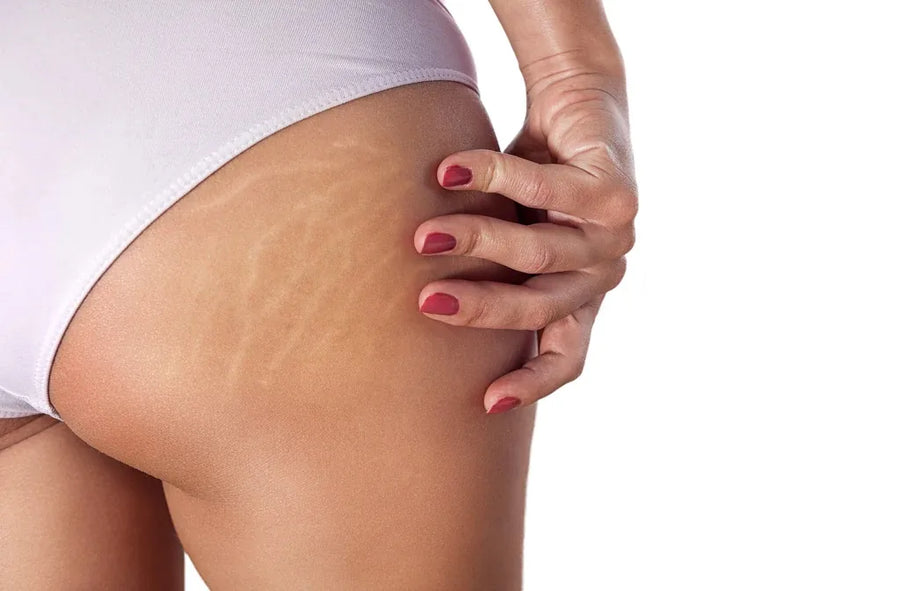
Stretch Mark Treatments: How to Make Them Fade
Stretch marks are not painful and don't indicate a health problem, but many people want them to fade for aesthetic reasons. Some become less noticeable over time without any treatment, and there are many ways to help them along faster. The American Academy of Dermatology notes that creams work best on early marks and need weeks of consistent use.
Specialized stretch mark creams
Many creams specifically target stretch marks. GUAM makes a range with natural actives like amino acids, peptides, antioxidants and seaweed that support collagen and elastin, while keeping the outer layer of the skin moisturized, soft and supple. Look for glycolic acid (a gentle exfoliating acid that renews the surface) or retinoids for new marks. Retinoids and glycolic acid are not for pregnancy; while expecting, use a pregnancy-safe formula instead.
Professional treatments for old stretch marks
For old, white stretch marks, a dermatologist can offer laser therapy, microneedling, radiofrequency or microdermabrasion. These stimulate new collagen and give the most visible change, though they take several sessions and cost more. Creams and massage at home keep the skin supple between sessions.
GUAM Stretch Mark Creams
Seaweed-based creams made in Italy to soften and fade stretch marks on the thighs, stomach, hips and breasts. Pregnant? See the Inthenso Mom range.

Bioactivity Stretch Marks Cream with Glycolic Acid
Our pick for old stretch marks on the breasts, legs and stomach. Glycolic acid renews the surface while GUAM seaweed and Bioactivity extract moisturize and protect the skin. Not for use in pregnancy or breastfeeding.
- Visibly reduces long-standing marks
- Gentle surface renewal
- Breasts, legs, stomach
- Use daily for 8-12 weeks

Duo Stretch Marks Cream for Breast and Body
For marks after weight loss or pregnancy on the thighs, stomach and breasts, with GUAM seaweed and Noirmoutier marine spring water for tone and elasticity.
- Improves tone and elasticity
- Helps prevent new marks
- Thighs, stomach, breasts

Duo Firming and Toning Breast Cream
For stretch marks on the breasts and loss of tone, with seaweed extract and marine spring water rich in trace elements.
- Firms and tones the breasts
- Helps prevent breast marks
- Moisturizing seaweed formula
Stretch Marks Home Remedies
Can you remove stretch marks permanently at home? Not fully, but stretch marks home remedies keep the skin hydrated, ease itching and dryness, and help marks fade along with a cream. Evidence for most of them is limited, so think of them as support, not a cure:
Coconut oil
A deeply moisturizing oil that eases the itching that can come with new marks and keeps skin soft and elastic. Apply it twice a day to the stomach or other areas.
Argan oil
Rich in vitamin E, argan oil supports skin elasticity. Massaging it into the area helps keep stretching skin supple. For oils made for the job, see our avocado oil for stretch marks guide.
Aloe vera
A skincare staple for its hydrating and soothing properties. Spread fresh aloe vera gel over the marks, massage gently, leave for two to three hours and rinse with lukewarm water. Repeat daily.
Egg white
High in proteins and amino acids, egg white gives a temporary tightening effect that makes marks look less visible. Spread a thick layer, let it dry completely, then wash off.
Sugar scrub
Sugar is a gentle physical exfoliator that removes dead skin buildup, so marks look smoother and creams absorb better. Mix a tablespoon of sugar with a carrier oil and rub it on the skin for a few minutes before your shower, 2-3 times a week.
Foods That Support Skin and Help Prevent Stretch Marks
A diet rich in essential nutrients keeps your skin healthy and better able to stretch. These nutrients are worth adding:
- Vitamin EA nourishing antioxidant that supports the skin barrier. Found in spinach, almonds, hazelnuts, broccoli and olives.
- Collagen and gelatinSupport skin elasticity. Bone broth is a rich source of gelatin.
- Omega-3 fatty acidsKeep skin supple and moisturized. Found in flax and chia seeds, walnuts, salmon and shrimp.
- Vitamin ASupports skin renewal. Found in salmon, kale, cantaloupe, mango and grapefruit.
- Vitamin CNeeded to build collagen. Found in citrus, berries, peppers, broccoli and tomatoes.
- WaterWell-hydrated skin is less likely to tear when it stretches.
A Word from GUAM
Wanting to get rid of stretch marks and reveal smooth, supple skin is understandable, but stretch marks take time to fade. Your skin needs time to repair the tears, and nothing makes them vanish overnight. Whatever treatment you choose, be persistent and give it time.
A combination of treatments works best: a stretch mark cream, a gentle scrub and daily moisturizing. Start as soon as you notice itching or redness, before marks fully form. Prevention is your best bet. Loose skin as well? Read our guide to firming cream for sagging skin.
Shop GUAM Firming and Stretch Mark Creams
Seaweed creams for stretch marks, tone and elasticity on the thighs, stomach, arms and breasts.
Shop firming creams →Frequently Asked Questions About How to Get Rid of Stretch Marks
Can you get rid of stretch marks permanently?
Not completely. Stretch marks are a kind of scar, but with creams, massage and, for old marks, professional treatments like laser or microneedling, they can fade until they are hard to see.
How do you get rid of old stretch marks?
Old, white stretch marks respond slowly. A glycolic acid cream such as GUAM Bioactivity softens their texture with daily use, and laser, microneedling or microdermabrasion at a dermatologist give the biggest change.
How long does it take for stretch marks to fade?
New marks often fade noticeably within a few months, especially with daily care. Expect at least 8-12 weeks of consistent use before judging a cream. Old marks take longer.
What causes stretch marks on the thighs?
Rapid weight gain or loss, muscle growth, puberty growth spurts and pregnancy all stretch the skin on the thighs faster than collagen can adapt. Inner thighs and the outer thigh near the hips are the most common spots.
Do home remedies work for stretch marks?
Oils, aloe vera and scrubs keep skin hydrated, ease itching and help creams absorb, but evidence that they fade marks on their own is limited. They work best as support for a targeted cream.
Do men get stretch marks?
Yes. Men get stretch marks from growth spurts, weight changes and muscle gain, often on the thighs, arms, shoulders and back.
Can I use a glycolic acid stretch mark cream while pregnant?
No. Avoid glycolic acid and retinoids in pregnancy and breastfeeding. Use a pregnancy-safe formula such as the GUAM Inthenso Mom range instead.
The Bottom Line
You can't erase stretch marks overnight, but you can make them fade. Treat new, red marks early with a glycolic acid or retinoid cream, keep skin moisturized, and give it 8-12 weeks. For old, white stretch marks, a cream like GUAM Bioactivity softens texture, and laser or microneedling give the biggest change.
Sources
