


The discovery of the GUAM Seaweed Algae
GUAM Seaweed: Between Love and Science
"Our unconditional love for the sea and its resources is part of our company culture. Even today, our most precious raw ingredient, GUAM seaweed, is harvested and dried with traditional methods, with patience and respect for a rich and generous nature. But staying true to our origins has never limited our research or our desire to offer the best. We look to the future by selecting the most innovative ingredients and technologies, combining the wisdom of the past with modern cosmetology."Egidio Siena, founder and CEO of Lacote, maker of GUAM
Discovering GUAM Seaweed
Brest, Brittany, 1986
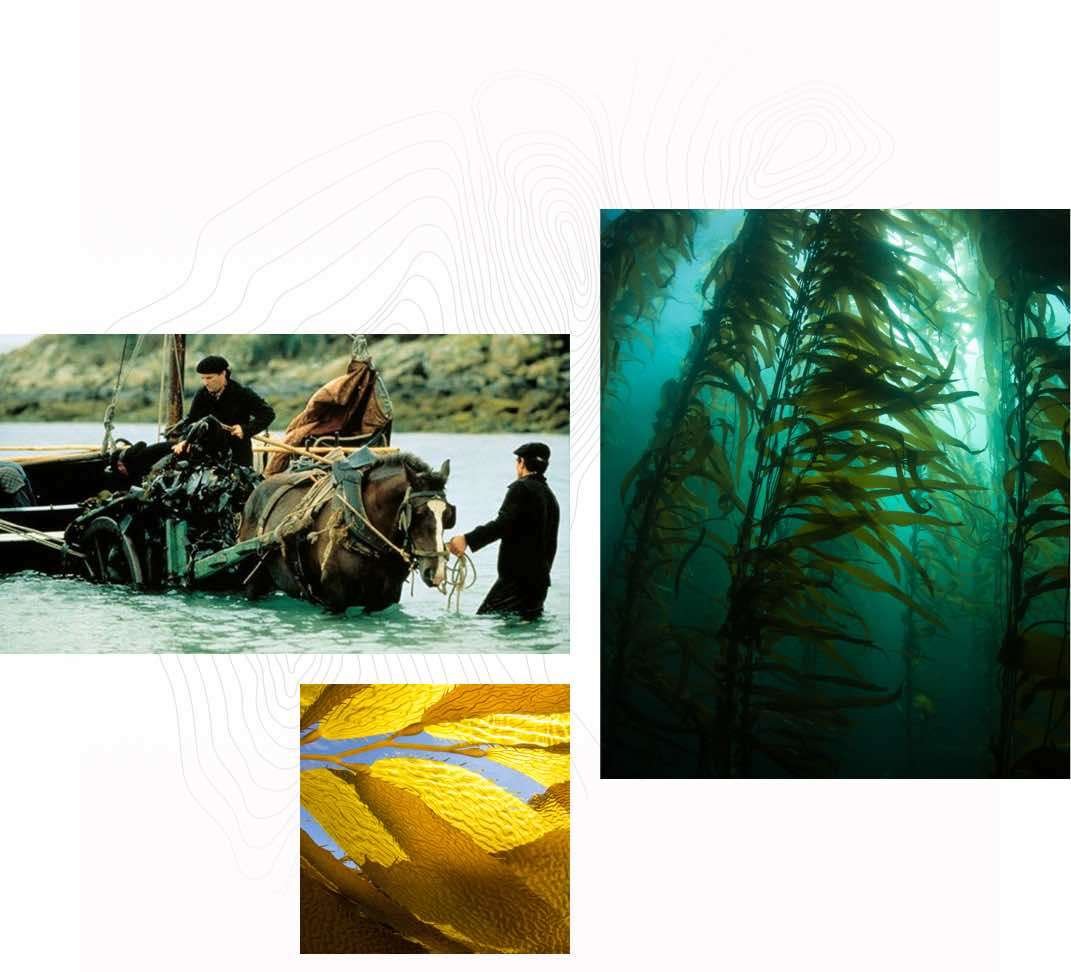
In 1986, Egidio Siena, the founder of GUAM and its Italian laboratory Lacote, arrived at the port of Brest in Brittany, France. He saw boats full of laminaria seaweed collected from the cold Atlantic seabed. The seaweed was spread over the fields beside the sea and dried in the sun and ocean wind until it lost 80% of its weight. The dried seaweed was then taken to the mills and ground into a very fine powder that local people called the "seaweed flower".
Green Gold
Since the 1600s, Breton fishermen have gathered and processed seaweed this way, passing down recipes for health and body care from one generation to the next. Local tradition credited seaweed with slimming, remineralizing and circulation-boosting properties, and valued it so highly that it became known as "green gold".
GUAM Seaweed Mud: A Winning Intuition
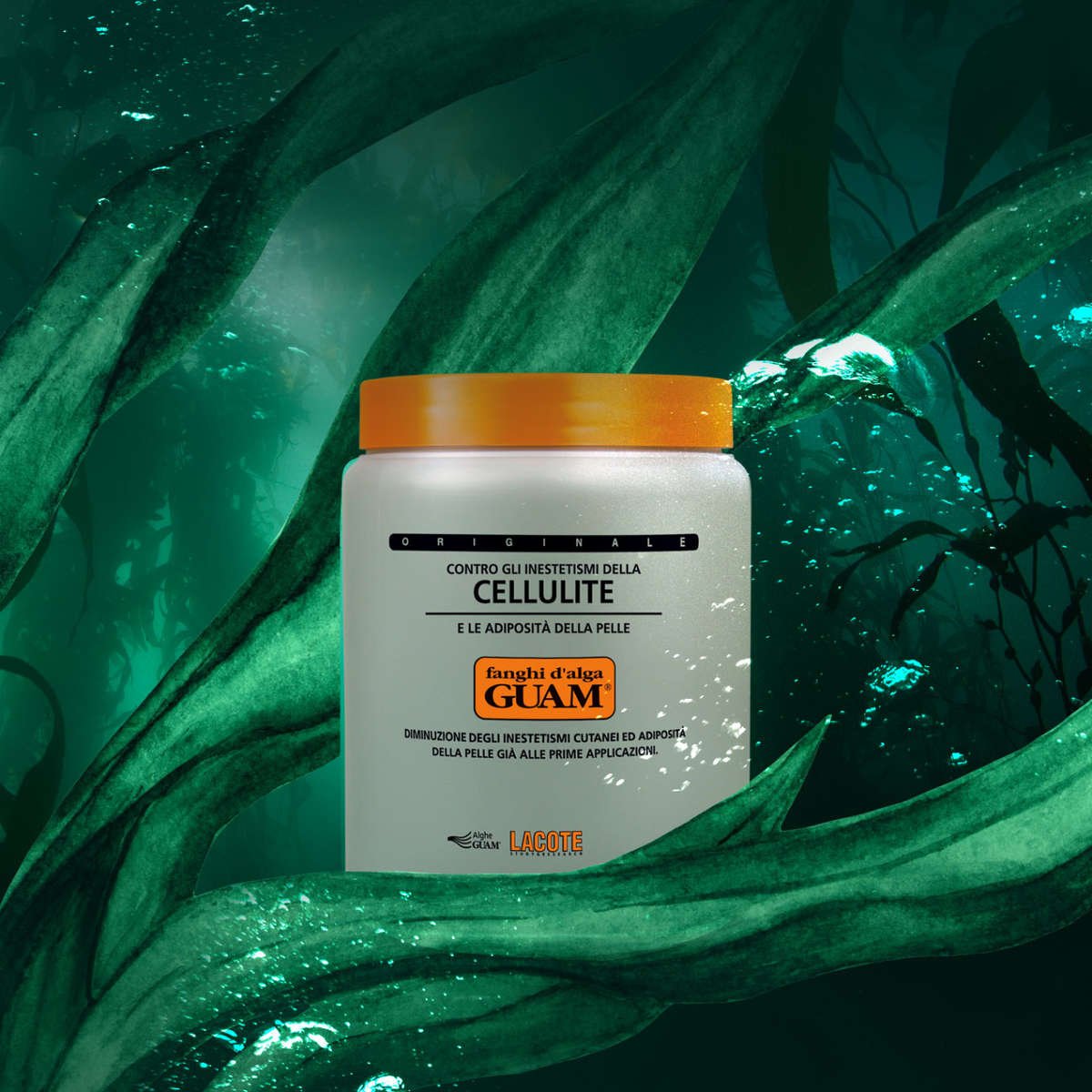
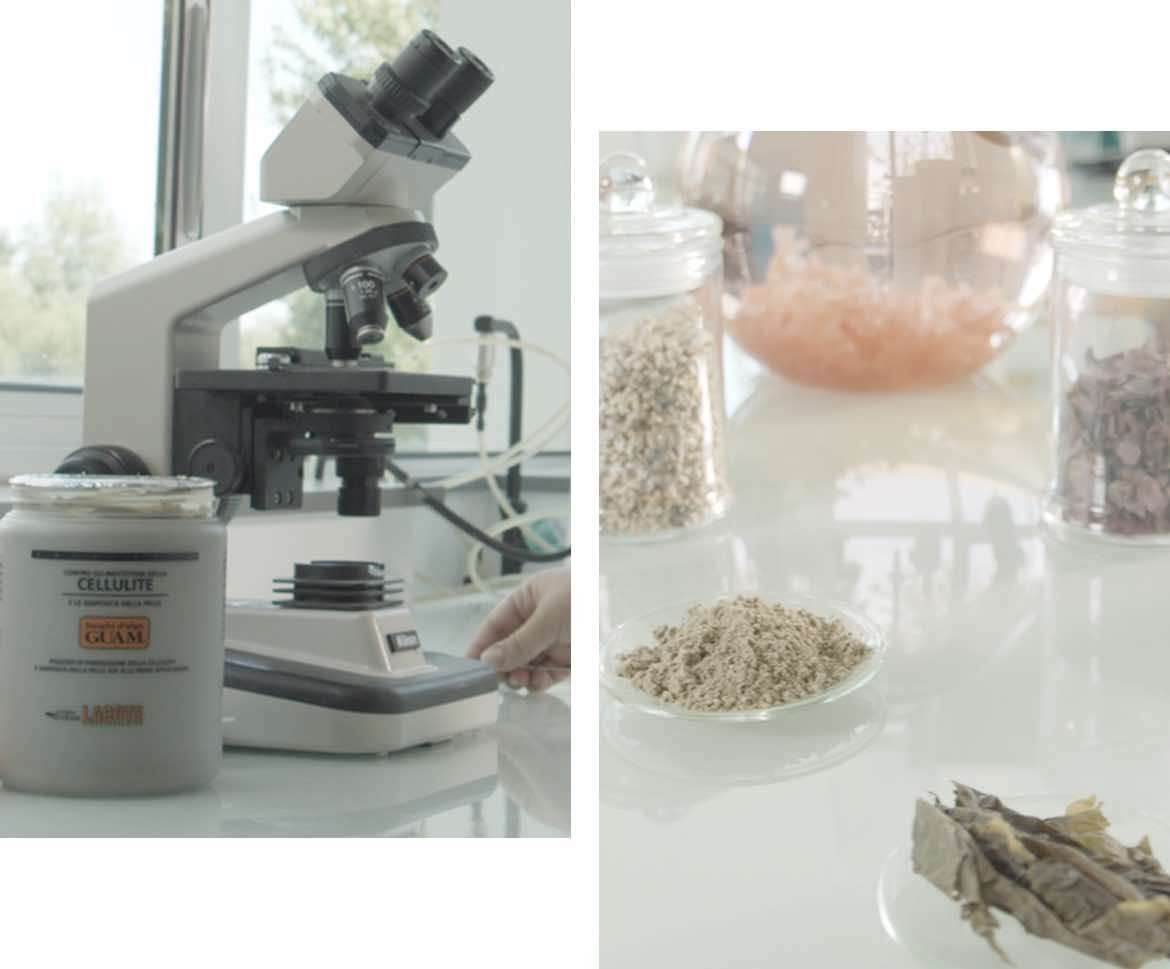
Combining his love for the sea with years of experience in cosmetics, Egidio Siena started from that seaweed flower and created a formula enriched with plant extracts and other natural ingredients, with the texture of a marine mud that holds all the properties of the seaweed.
To test it, he asked 36 women to follow a one-month course of 45-minute wraps on their thighs and buttocks: three to four wraps in the first week, then two to three a week, tapering off toward the end of the month. It is the same course GUAM recommends today.
The Strength of Results
The women in that first test noticed a visible difference: less visible cellulite, less puffiness and smoother skin on their thighs and buttocks, with many seeing changes from the first applications.
Encouraged by those results, Egidio Siena moved to full-scale production, staying faithful to the exact formula used in the test and to the traditional methods behind it.
GUAM Seaweed Mud: The Original Recipe
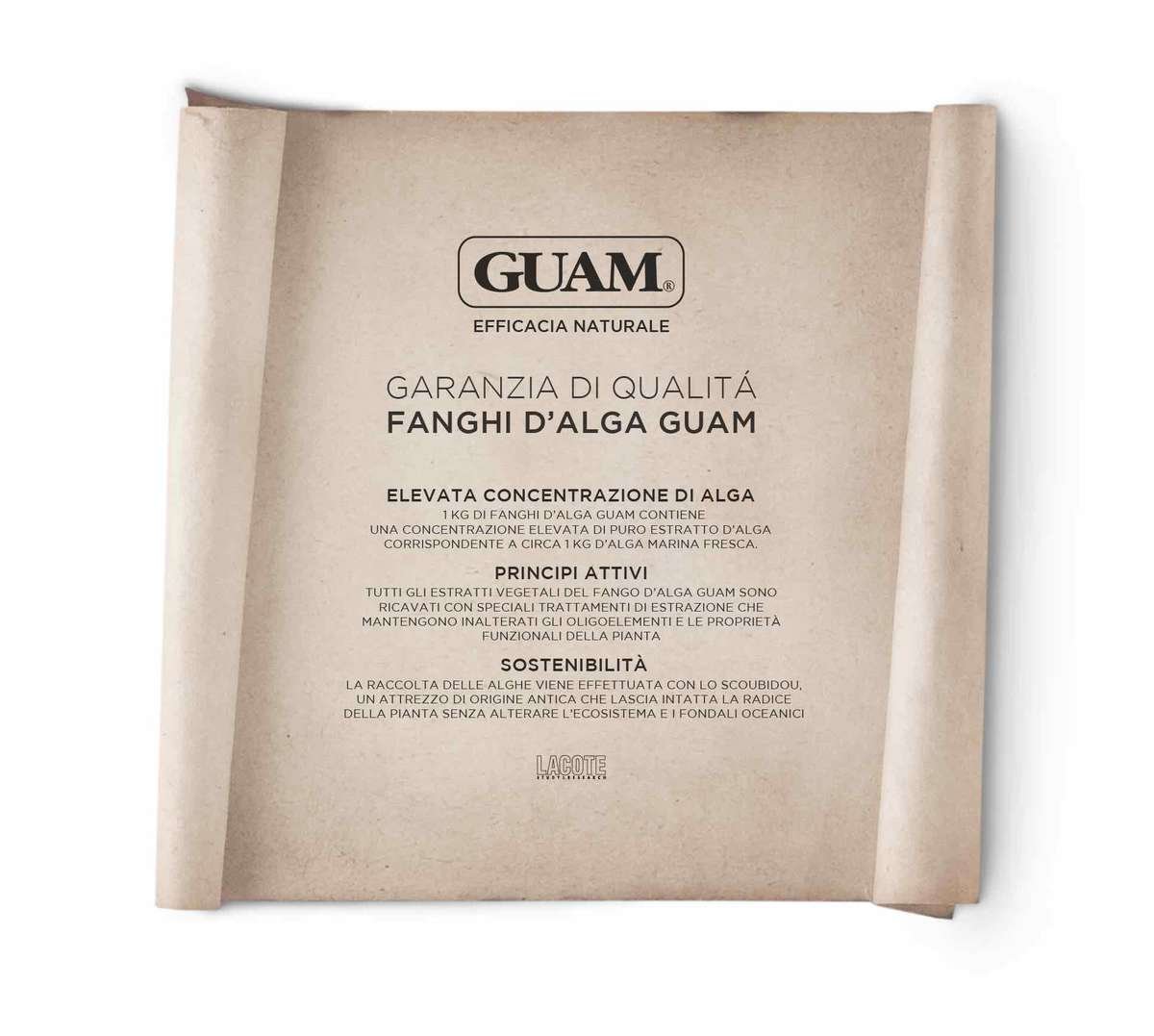
For 40 years, the GUAM seaweed mud recipe has stayed the same, and so has the seaweed. Harvesting starts each May, when the seaweed is young and at its most vital. Working from boats with a traditional tool called the "scoubidou", harvesters lift the seaweed from the seabed without harming the mother plant.
Ashore, the seaweed is spread across large fields to dry in the sun and ocean wind. It is then ground and mixed with the other ingredients using strictly cold processes, so its minerals and natural properties stay intact.
Forty Years Later, the Science Caught Up
In 2024, an independent team from four Italian universities tested GUAM FIR Seaweed Mud and published the results in the Journal of Cosmetic Dermatology. After eight 45-minute wraps over four weeks, 60 women lost an average of 3.8 cm at the hips, and ultrasound showed 81% fewer cellulite nodules.
Read the clinical study, or discover the technologies and research behind GUAM.
Shop GUAM Seaweed Wraps