


Swollen Feet for Pregnant Women: Causes, Safe Remedies and When to Worry
Swollen feet for pregnant women are common and usually harmless. Extra fluid, pregnancy hormones and the growing womb make fluid pool in the feet, ankles and lower legs, mostly from the second trimester, later in the day and in hot weather. Gentle walking, raising your feet, comfortable shoes, cool water and a pregnancy-safe draining cream all help. Sudden swelling, swelling in the face or hands, or one leg much worse than the other needs a call to your doctor.
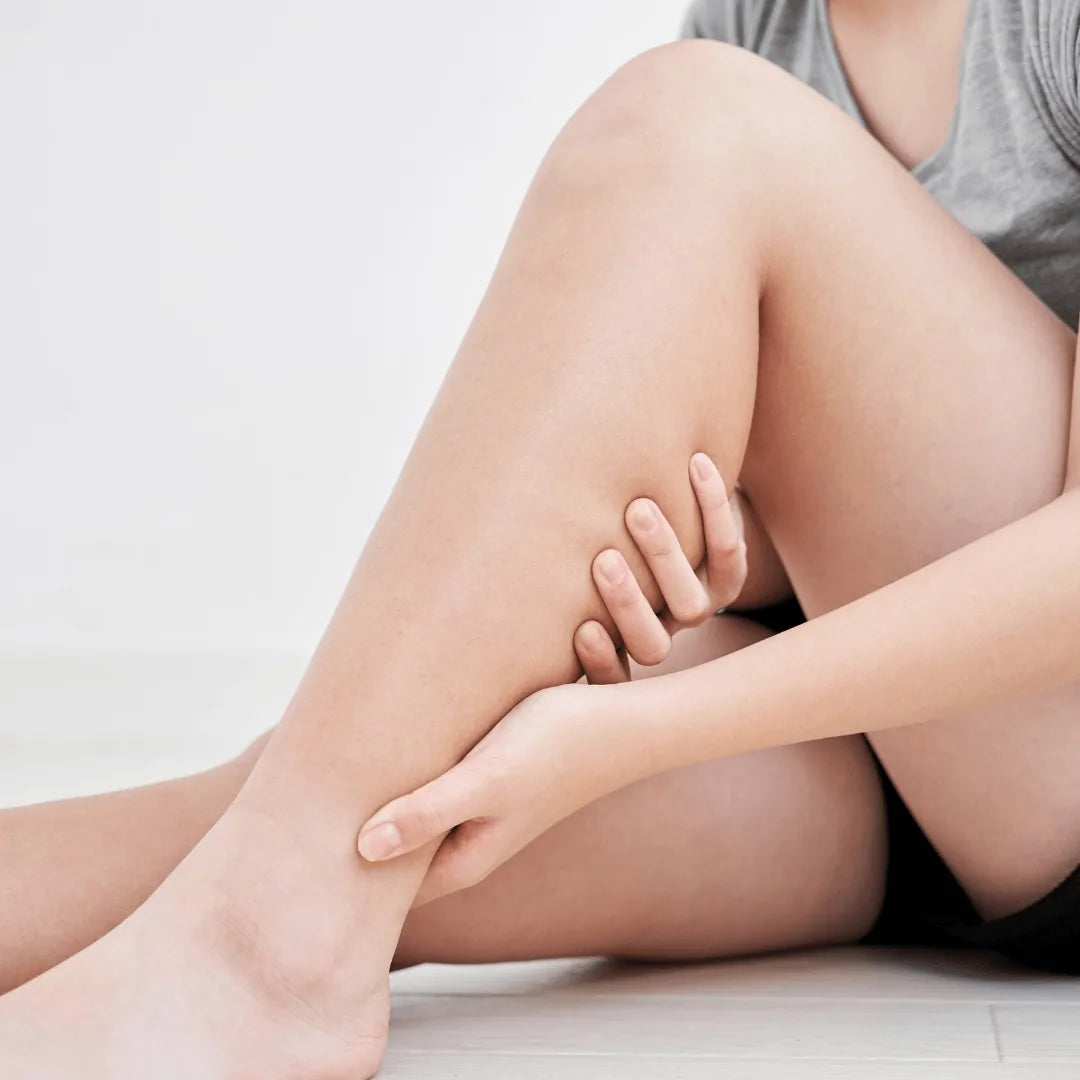
Swollen feet and ankle swelling are among the most common changes moms-to-be notice, especially in the second and third trimesters. While often harmless, swollen ankles from pregnancy can interfere with daily comfort, mobility and even sleep, so knowing how to manage them matters for your peace of mind as much as your feet.
GUAM has made marine skincare in Italy since 1986, founded by Egidio Siena and built on seaweed harvested off the coast of Brittany. Our Inthenso Mom line was formulated for pregnancy, postpartum and breastfeeding, with natural ingredients that support circulation in tired, heavy legs.
This guide covers why swollen feet in pregnant women happen, what is normal and when to worry, the swollen feet during pregnancy remedies that work at home, and how a draining cream fits into your routine. For everyday leg swelling not related to pregnancy, see our complete guide to treatment for swelling of legs and feet.
Pregnancy-Safe Care for Swollen Feet and Tired Legs
Every Inthenso Mom formula is safe during pregnancy, postpartum and breastfeeding. Start with the draining cream for feet and ankles; add the firming cream and the oil for the rest of your body. See the full Inthenso Mom range.

Inthenso Mom Draining Cream for Legs and Ankles
For feet, ankles and calves that feel puffy and heavy by evening. The Inthenso Mom Draining Cream is our swollen pregnant feet relief pick, with GUAM marine algae, escin, horse chestnut, diosmin and butcher's broom for the small veins, plus menthol for an instant cooling feel. Tip: keep it in the fridge.
- Safe in pregnancy and breastfeeding
- Cooling menthol for hot, tired feet
- Supports circulation in legs and ankles
- Massage upward, morning and evening
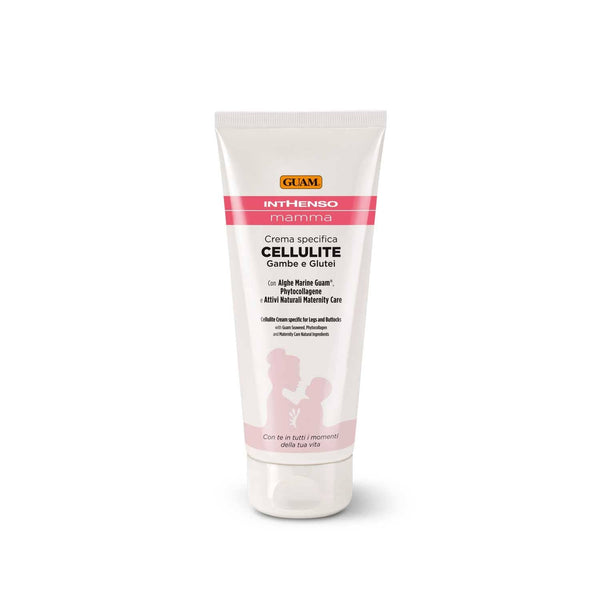
Inthenso Mom Firming Cellulite Cream
For legs, buttocks and hips while your body changes. The Inthenso Mom Firming Cellulite Cream uses GUAM marine algae, phytocollagen, caffeine and sweet almond oil.
- Pregnancy-safe cellulite cream
- Firms and smooths the skin
- Legs, buttocks, hips
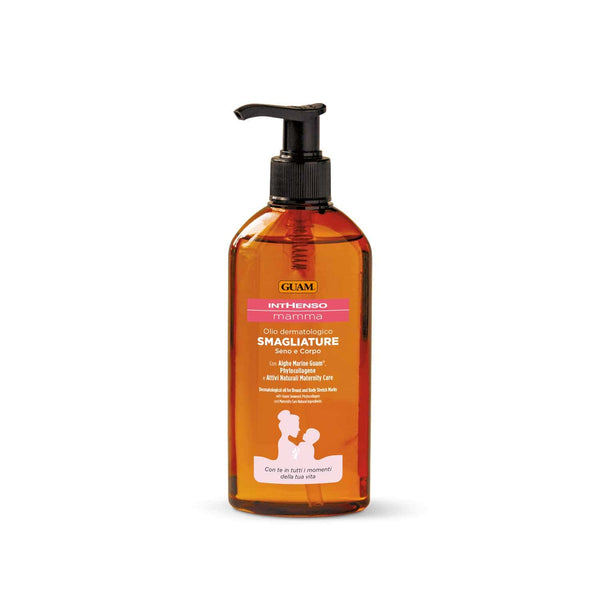
Inthenso Mom Stretch Mark Oil
For the belly, breasts, hips and thighs as the skin stretches. The Inthenso Mom Stretch Mark Oil blends grape seed, jojoba and sunflower oils, squalane and vitamin E.
- Keeps stretching skin supple
- Light, non-greasy
- Belly, breasts, hips, thighs
Why Swollen Feet Happen to Pregnant Women
Swollen feet and ankle swelling in pregnancy is one of the most common physical changes, especially in the later stages. Also known as edema, it is mainly caused by fluid retention, hormonal shifts and the growing uterus pressing on the veins that carry blood back from your lower body. The NHS notes that the extra fluid collects in the lowest parts of the body.
Fluid retention
Your body holds far more water than usual and makes about 50% more blood to support the baby, so some of that fluid settles in the feet and ankles.
Hormonal changes
Hormones like progesterone relax the walls of your blood vessels, which lets fluid pool in the lower legs more easily.
Pressure from the uterus
As the uterus grows, it presses on the veins in the pelvis, making it harder for blood to return to the heart from your legs.
When does swelling start for pregnant women?
Swelling often begins around the second trimester and can get worse in the third trimester, especially after standing for long periods, in hot weather and late in the day. The feet, ankles and lower legs are the most affected areas, and swollen ankles from pregnancy often look worst by bedtime.
Can swollen ankles be an early sign of pregnancy?
Rarely. Swollen ankles as an early sign of pregnancy are uncommon, because the fluid and blood volume build up gradually. Most women notice swelling from the second trimester onward. Early on, legs may feel heavier, but visible ankle swelling in the first weeks usually has another cause, so mention it to your doctor.
Are Swollen Feet in Pregnant Women Normal?
Yes, most of the time. Swollen feet in pregnancy are often a normal part of the body's adjustment to growing a baby. Your body is working overtime to produce more blood and fluids, which naturally leads to swollen feet and ankles in pregnancy.
| Usually normal | Call your doctor |
|---|---|
| Gradual swelling that builds through the day | Sudden or severe swelling |
| Both feet or ankles swollen about equally | One leg much worse than the other, with pain or redness |
| Better after rest or raising your feet | Swelling in your face or hands |
| Worse in hot weather or after standing | Swelling with headache, vision changes or pain below the ribs |
Most obstetricians agree that mild to moderate swelling, especially late in pregnancy, is expected. They recommend simple strategies like rest, gentle movement and staying hydrated, and stress paying attention to swelling that is sudden or uneven.
8 Swollen Feet During Pregnancy Remedies You Can Do at Home
Managing swollen feet in pregnancy does not have to be complicated. A few mindful changes to your daily routine, diet and skincare reduce discomfort and support circulation. These are the safest swollen feet during pregnancy remedies:
Keep moving gently
Walking, swimming and prenatal yoga keep blood flowing. Avoid sitting or standing for long periods and change position often. The NHS also suggests foot exercises: flex each foot up and down about 30 times and circle it 8 times each way.
Raise your feet
Elevate your feet whenever you can, ideally above heart level when resting, so fluid can drain back toward your body.
Sleep on your left side
Lying on your left side takes pressure off the large vein (vena cava) that returns blood from your legs.
Drink water, cut back on salt
Staying hydrated actually helps your body let go of excess fluid. Limit salty food and add potassium-rich foods like bananas, spinach, sweet potatoes and avocados.
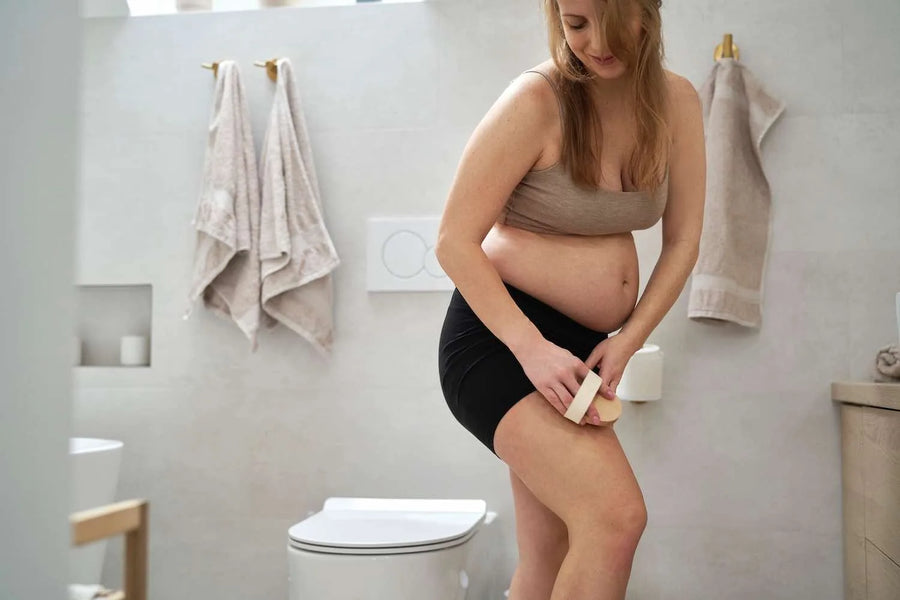
Wear comfortable shoes
Choose supportive, roomy shoes and skip heels, narrow fits, tight socks or straps that pinch. Use compression socks only if your doctor recommends them.
Cool water and Epsom salt soaks
A cool or lukewarm foot soak (never hot), with or without Epsom salt, relaxes tired feet. A cold compress for 10-15 minutes reduces puffiness. In a small trial, standing in a pool for 20 minutes reduced leg volume (Cochrane review).
Gentle upward massage
A swollen feet pregnancy massage with gentle upward strokes from toes to knee relieves heaviness and feels wonderful. It is a comfort measure: one trial found it did not shrink leg size, so pair it with rest and raising your feet. Skip deep pressure on the calves.
A pregnancy-safe draining cream
Massage in a cream made for pregnancy, like the Inthenso Mom Draining Cream, morning and evening, ankle to knee. Its cooling menthol gives instant relief, while escin, horse chestnut and diosmin support the small veins.
Hot Weather and Very Swollen Feet
Heat makes blood vessels widen, so swollen feet in pregnancy are often worst in summer. Stay in the shade, cool your feet in water, keep a draining cream in the fridge for an extra cooling effect, and wear loose, breathable shoes.
If you have very swollen feet that hurt, look shiny or tight, or keep swelling even after a night's rest, talk to your midwife or doctor. Painful swelling is not something to push through.
How a Draining Cream Helps Swollen Feet for Pregnant Women
Among the at-home options, topical creams are one of the most accessible ways to soothe swollen feet and ankles. They deliver targeted relief right where you need it, they are non-invasive, and they fit easily into your evening routine.
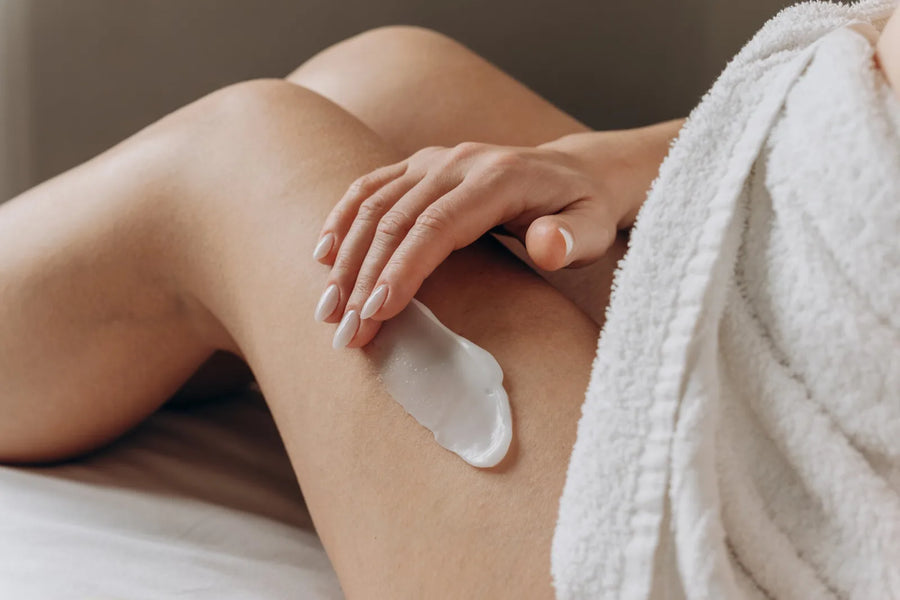
Look for a formula made specifically for pregnancy. A standard moisturizer only hydrates the surface. A draining cream adds vein-supporting plant extracts and a cooling effect, and the massage you use to apply it helps your legs feel lighter. For a deeper look at ingredients, see our guide to the best cream for swollen feet and ankles, or browse all draining creams for swelling.
Swelling in your thighs too? Read how to get rid of water retention on legs. Dealing with dimples as well? See how to manage cellulite during pregnancy.
Swollen Feet in Pregnancy: When to Worry
While swollen feet are usually a normal part of the journey, sometimes swelling signals a medical problem that needs immediate attention. Call your doctor, midwife or labor ward right away if you have:
- Sudden swellingA sudden increase in swelling, especially if it comes on quickly.
- Face or handsSwelling in your face, around your eyes or in your hands.
- One legOne leg or foot much more swollen than the other, or pain, warmth or redness in the calf (a possible blood clot, DVT).
- Headache or visionSwelling with a bad headache, blurred vision, flashing lights or pain below the ribs (possible preeclampsia).
- BreathingShortness of breath or chest pain: call emergency services.
Preeclampsia is a pregnancy complication with high blood pressure that can affect the liver and kidneys, and a DVT is a blood clot that needs urgent care (NHS). A cream is never the treatment for these. Routine prenatal appointments track your blood pressure and swelling, so always mention any change.
Tailor Your Routine to Your Pregnancy
Every pregnancy is different. The most effective approach combines consistency with what your body needs: adjust your routine to your trimester, medical history and how your feet respond. Swelling usually peaks in the third trimester: see our week-by-week guide to swollen feet in the third trimester. It eases within days to a few weeks after birth; read what to expect with swollen feet after pregnancy.
After your baby arrives, the same gentle habits help your body recover. For firming and loose skin, read how to tighten loose skin after pregnancy and our natural postpartum skin tightening guide.
Shop GUAM Inthenso Mom
Pregnancy-safe draining, firming and stretch mark care, made in Italy with natural ingredients. Safe for pregnancy, postpartum and breastfeeding.
Shop Inthenso Mom →Frequently Asked Questions About Swollen Feet for Pregnant Women
Are swollen feet normal for pregnant women?
Yes. Gradual swelling in both feet and ankles is common, especially later in the day, in hot weather and in the second and third trimesters. It usually improves with rest and raising your feet.
When do swollen feet start in pregnancy?
Most women notice swelling from the second trimester, and it often gets worse in the third trimester. Swollen ankles are rarely an early sign of pregnancy.
When should I worry about swollen feet in pregnancy?
Call your doctor for sudden swelling, swelling in your face or hands, one leg much worse than the other, or swelling with a headache, vision changes or pain. These can signal preeclampsia or a blood clot.
Does walking help swollen feet during pregnancy?
Yes. Gentle walking and foot exercises keep blood moving back from your legs. Avoid standing or sitting still for long periods and raise your feet when you rest.
Is hot or cold water better for swollen feet in pregnancy?
Cool or lukewarm water is better. Heat widens blood vessels and can make swelling worse. A cold compress for 10-15 minutes or a cool soak with Epsom salt eases puffiness.
Should pregnant women wear compression socks for swollen feet?
Compression socks can help some women, but use them only if your doctor or midwife recommends them and fits the right pressure for you.
Can I use a cream for swollen feet while pregnant?
Yes, if it is made for pregnancy. Inthenso Mom Draining Cream is safe during pregnancy and breastfeeding, with cooling menthol and plant extracts like escin and horse chestnut.
Do swollen feet go away after birth?
Usually yes. Swelling can peak a few days after delivery as your body clears extra fluid, then fades over the following days to weeks. Tell your doctor if one leg swells or hurts.
The Bottom Line
Swollen feet for pregnant women are common, usually harmless and mostly show up from the second trimester. Move gently, raise your feet, drink water, choose comfortable shoes and massage in a pregnancy-safe draining cream like Inthenso Mom. Sudden swelling, swelling in your face or hands, or one leg worse than the other means calling your doctor.
Sources
- NHS. Swollen ankles, feet and fingers in pregnancy. nhs.uk
- NHS. Pre-eclampsia. nhs.uk
- Smyth RMD, Aflaifel N, Bamigboye AA. Interventions for varicose veins and leg oedema in pregnancy. Cochrane Database Syst Rev. 2015;(10):CD001066.
