



Best Cream for Swollen Feet and Ankles: What Actually Works
The best cream for swollen feet and ankles is a draining cream, not a plain moisturizer. Look for sea salt or seaweed, which draw trapped fluid out of the tissue by osmosis, plus horse chestnut (escin), butcher's broom or menthol to support the small veins. Massaged in from ankle to knee once or twice a day, it makes feet and ankles feel lighter within days and look less puffy in about two weeks.
Walk into any pharmacy and you will find a shelf of creams for swollen feet. Most are moisturizers with a good description: they hydrate the skin surface and stop there. The fluid that makes ankles puff up by evening sits below the skin, in the tissue between your cells, and a standard lotion has no way of moving it.
GUAM has worked with that fluid since Egidio Siena created the first GUAM seaweed treatment in Italy in 1986, using Atlantic seaweed harvested off Brittany. Seaweed and sea salt are naturally saltier than the fluid in your tissue, which is what lets a GUAM draining cream pull it out through the skin. Our seaweed mud wraps use the same principle: in our 2024 clinical study, 8 wraps in 4 weeks reduced cellulite nodules by 81%.
If you are wondering what cream is good for swollen feet, this guide covers why ordinary lotions fall short, which ingredients actually reduce swelling, which GUAM cream fits your kind of swelling, and how to apply it. For causes and the full routine, see our complete guide to treatment for swelling of legs and feet.
Which Cream for Swollen Feet and Ankles Is Right for You
| Your swelling | Best pick | How to use it |
|---|---|---|
| Feet and ankles puffy and heavy by the end of the day |
Fangocrema Dren Cream with Draining Effect Best place to start |
Every evening, upward strokes from ankle to knee |
| Hot, tired legs, sensitive skin or visible capillaries | Fangocrema Fresco Cooling Cream | Once or twice a day, no rinsing |
| Swelling every day that still feels heavy in the morning | Inthenso Saline Draining Night Cream | Before bed, leave on overnight |
| Swollen feet in pregnancy, postpartum or while breastfeeding | Inthenso Mom Draining Cream for Legs and Ankles | Morning and evening, massaging toward the knee |
See every formula in the GUAM Draining Solutions collection.
Why Standard Lotions Do Not Reduce Swelling in Feet and Ankles
The swelling you see in your feet and ankles at the end of the day is peripheral edema: fluid that has pooled in the space between your cells instead of returning to circulation through the veins and the lymphatic system. Gravity, long hours standing or sitting, heat, salty food and long flights all make it worse, which is why the NHS lists them as everyday causes.
A standard lotion for swollen feet improves surface hydration and nothing else. That is useful for dry heels, but it has no mechanism to move fluid, so the swelling itself does not change.
Whether it is sold as a cream, gel or ointment for swollen feet, it needs at least one of two things: an osmotic ingredient that draws fluid outward through the skin, or a vasoprotective ingredient that strengthens the walls of the small veins so less fluid leaks into the tissue in the first place. The best draining creams combine both, and the massage you use to apply them helps the fluid on its way.
The Best Creams for Swollen Feet and Ankles
Match the cream to your kind of swelling. Every swollen feet cream below is a draining formula, and each also works as a cream for swollen legs. Most women start with Dren. Choose Fresco if your skin is sensitive or your legs feel hot, the Saline night cream for swelling that comes back every day, and Inthenso Mom during pregnancy.

Best Cream for Swollen Feet and Ankles: Fangocrema Dren
Feet and ankles puffy by evening? Fangocrema Dren Cream with Draining Effect is our everyday draining cream. Sea salt and GUAM seaweed draw trapped fluid out by osmosis, while butcher's broom, ivy and horse chestnut support the small veins so the fluid is slower to come back.
- Draws out the fluid that pools by evening
- Caffeine and marine clay for lighter, toned legs
- Works overnight, legs feel lighter by morning
- Free from parabens and PEGs
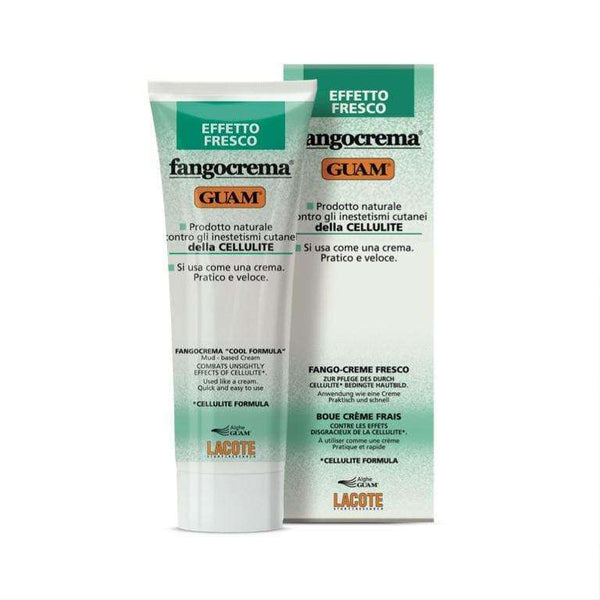
Cooling Cream for Swollen Ankles: Fangocrema Fresco
The swollen ankle cream for hot, tired legs, sensitive skin or visible capillaries. Fangocrema Fresco pairs GUAM seaweed with menthol and a plant complex of ivy, horse chestnut, birch and centella. It cools on contact and needs no rinsing.
- Instant cooling relief for tired legs
- Gentle enough for sensitive skin
- Supports circulation in calves and ankles
- Use once or twice a day
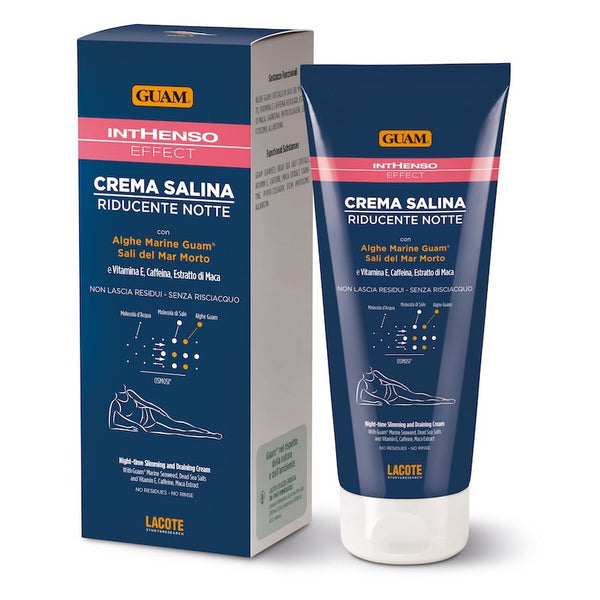
Night Cream for Stubborn Swelling: Inthenso Saline
For legs and ankles that swell every day and still feel heavy in the morning. Inthenso Saline Draining Night Cream uses a high concentration of Dead Sea salts to draw fluid out while you sleep, with escin to strengthen capillary walls and caffeine for localized fat.
- Works while you sleep
- Dead Sea salts for strong osmotic drainage
- Escin helps stop fluid leaking back
- Gentle warmth as it absorbs

Pregnancy-Safe Cream for Swollen Feet: Inthenso Mom
Swelling in pregnancy is hormonal and tends to last longer. Inthenso Mom Draining Cream for Legs and Ankles is safe for pregnancy, postpartum and breastfeeding, with GUAM marine algae, phytocollagen, diosmin and escin and a cooling touch of menthol.
- Safe for pregnancy, postpartum and breastfeeding
- Eases heavy, swollen legs and ankles
- Natural actives: marine algae, phytocollagen, diosmin
- Massage toward the knee, morning and evening
What Ingredients Actually Reduce Swelling in Feet and Ankles
Four kinds of ingredient do the real work. If a cream has none of them, it is unlikely to change swollen feet or ankles.
Sea salt and seaweed: osmotic drainage
The mineral concentration of sea salt and Atlantic seaweed is higher than that of the fluid in your tissue. Applied to the skin, that difference creates an osmotic pull that draws stagnant fluid outward. It shifts fluid that elevation or compression alone does not move. It is the main mechanism in Fangocrema Dren and the Saline night cream.
Horse chestnut (escin): stronger vein walls
Escin reduces how easily fluid leaks out of the small blood vessels into the surrounding tissue, so it works on why the swelling keeps coming back. A Cochrane review found horse chestnut seed extract reduced leg swelling and pain in people with chronic venous insufficiency (the trials used it by mouth).
Butcher's broom, ivy and diosmin: circulation support
These plant actives are traditional vein tonics. They help tighten and tone the small vessels near the skin, which supports the return of fluid toward the heart and eases the heavy, tired feeling in the calves and ankles.
Menthol and caffeine: cooling and circulation
Menthol cools on contact and briefly narrows the surface vessels, which is why hot, swollen feet feel better straight away. Caffeine stimulates microcirculation and, as a bonus, works on the fat cells behind cellulite texture on the legs.
How to Apply a Draining Cream for Swollen Feet and Ankles
Technique matters more than most people expect, because fluid in the legs drains in one direction: from the feet toward the torso. Rubbing in circles or downward works against that flow.
- Start at the ankleApply to clean, dry skin, starting around the ankle bone and the top of the foot.
- Stroke upwardUse slow, firm strokes from ankle to knee, then knee to thigh. Firm contact, not deep tissue massage.
- About 60 seconds a legKeep the strokes going until the cream is absorbed. The massage moves fluid while the cream works.
- Raise your legsIn the evening, finish with 10 to 15 minutes with your feet above hip level.
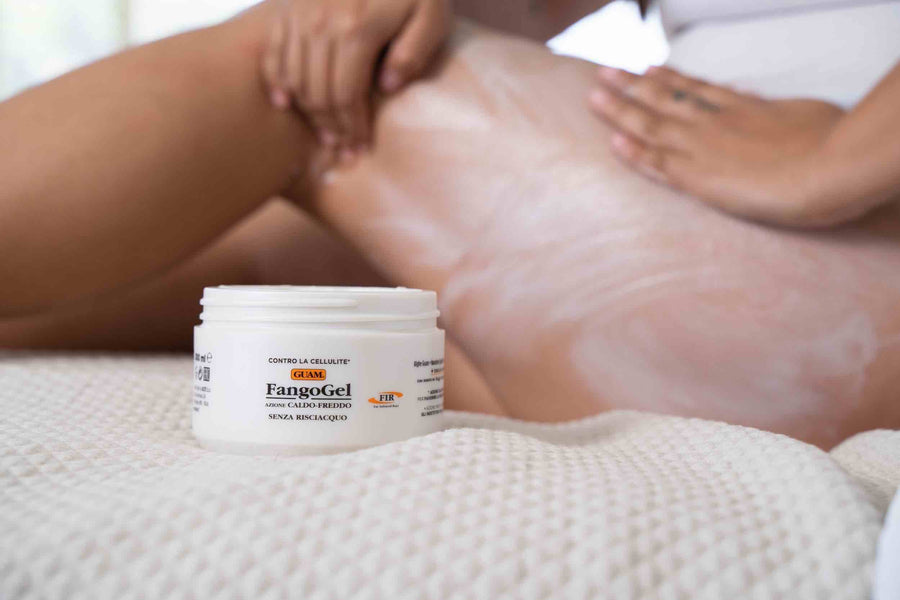
How often: once or twice a day, depending on how swollen your feet get. The NHS notes that regular daily habits work better for leg swelling than occasional effort.
What to expect: in the first week, most women notice a lighter feeling after each application rather than a visible change in size. With daily use, visible puffiness usually starts to ease in week two. The cream works best alongside compression during the day and raising your legs in the evening.
Cream as Part of a Wider Draining Routine
A draining cream is the daily maintenance step. If your feet are still swollen after two weeks of consistent use, add a draining massage with Dren Body Oil and two to three Dren Plus seaweed wraps a week on the legs.
Our complete guide to treatment for swelling of legs and feet covers the full protocol, and if water retention is the main driver, the guide to water retention on legs covers that mechanism separately. Pregnant? See our guide to swollen feet during pregnancy.
When Swollen Feet Need a Doctor
Creams help everyday swelling from standing, heat, travel and hormones. Swelling can also be a sign of a heart, kidney, liver or vein problem, so see a doctor if:
Only one leg is swollen, or it is painful, red or warm. The swelling came on suddenly or does not go down overnight. You are short of breath or have chest pain (call emergency services). You are pregnant and notice sudden swelling of the face, hands or feet, especially with a headache or blurred vision: call your midwife or doctor straight away.
Frequently Asked Questions
What is the best cream for swollen feet and ankles?
A draining cream with sea salt or seaweed to draw out fluid by osmosis, plus horse chestnut (escin) or butcher's broom to support the veins. GUAM Fangocrema Dren is our everyday pick; in pregnancy, use Inthenso Mom Draining Cream.
Does edema cream work on swollen feet?
A cream for edema helps everyday swelling from standing, heat or travel: a draining feet swelling cream with massage makes legs feel lighter after the first use and puffiness eases over about two weeks. Swelling from heart, kidney or vein disease needs a doctor.
How quickly does a draining cream reduce swelling?
A lighter, cooler feeling usually comes with the first application. Visible reduction in puffiness typically starts in week two of once or twice daily use.
What is the difference between a draining cream and a regular lotion?
A regular lotion only hydrates the skin surface. A draining cream uses osmotic ingredients like sea salt and seaweed to draw out the fluid under the skin, and plant actives like escin to support the veins.
How often should you apply cream to swollen feet and ankles?
Once or twice a day: in the morning before long hours on your feet and in the evening with your legs raised. Daily use works better than applying it only when swelling is bad.
Which cream is safe for swollen feet in pregnancy?
Choose a formula made for pregnancy, like GUAM Inthenso Mom Draining Cream, which is safe for pregnancy, postpartum and breastfeeding. Call your midwife about any sudden swelling.
When should I see a doctor about swollen feet?
See a doctor if only one leg is swollen, it is painful, red or warm, the swelling is sudden or does not go down overnight, or you are short of breath. In pregnancy, report sudden swelling with headache straight away.
The Bottom Line on Creams for Swollen Feet
The best cream for swollen feet and ankles, and the best cream for swollen legs too, draws fluid out and supports the veins: look for sea salt or seaweed plus horse chestnut, butcher's broom or menthol. Massage it upward from ankle to knee once or twice a day and expect a lighter feeling straight away and less puffiness in about two weeks. Start with Fangocrema Dren, or Inthenso Mom if you are pregnant.
Sources
- Oedema (swelling), NHS.
- Edema, Cleveland Clinic.
- Pittler MH, Ernst E. Horse chestnut seed extract for chronic venous insufficiency. Cochrane Database of Systematic Reviews, 2012.
- Amuso D. et al. GUAM seaweed mud clinical study, 2024, J Cosmet Dermatol.
