



Postpartum Swelling in Legs and Feet: Why It Happens and How Long It Lasts
Postpartum swelling in legs and feet is very common. It often gets worse in the first days after birth, peaking around days 3 to 6, as your body clears the extra fluid of pregnancy plus any IV fluids from labor or a C-section. For most women it fades within 1 to 2 weeks. Walking, raising your legs, drinking water and a breastfeeding-safe draining cream help. One swollen, painful or red leg, a bad headache or shortness of breath needs a doctor right away.
Many new moms are surprised to find swollen feet after pregnancy worse than at 39 weeks. You expect the swelling to leave with the baby, but your body is still holding liters of extra fluid, and it takes time to let it go.
GUAM has made marine skincare in Italy since 1986, founded by Egidio Siena and built on seaweed harvested off the coast of Brittany. Our Inthenso Mom line is made for pregnancy, postpartum and breastfeeding, so you can keep caring for tired legs while you nurse.
This guide explains why postpartum swelling happens, how long it lasts, what helps at home, and the warning signs that need a call to your doctor. Still pregnant? Read our guide to swollen feet for pregnant women.
Breastfeeding-Safe Care for Swollen Legs After Birth
All three are safe during breastfeeding. Start with the draining cream for feet, ankles and calves; add the firming cream and the oil as your body recovers. See the full Inthenso Mom range.
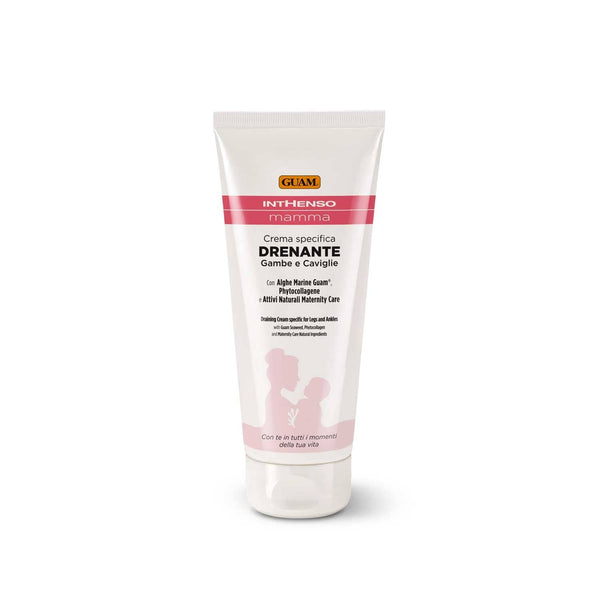
Inthenso Mom Draining Cream for Legs and Ankles
For swollen feet and ankles after pregnancy that feel heavy and tight. The Inthenso Mom Draining Cream combines GUAM marine algae, escin, horse chestnut, diosmin and butcher's broom with cooling menthol and hyaluronic acid. Tip: keep it in the fridge.
- Safe while breastfeeding
- Instant cooling for heavy legs
- Supports circulation in calves and ankles
- Massage upward, morning and evening
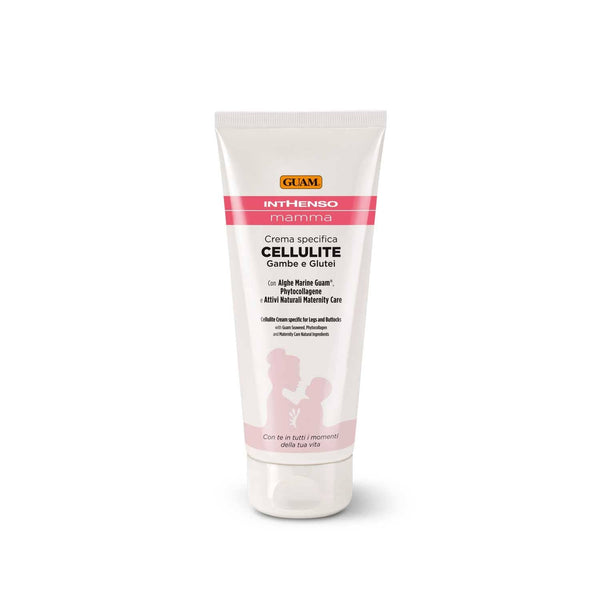
Inthenso Mom Firming Cellulite Cream
For legs, buttocks and hips that feel soft after birth. The Inthenso Mom Firming Cream uses GUAM marine algae, phytocollagen and caffeine.
- Postpartum firming
- Safe while breastfeeding
- Legs, buttocks, hips
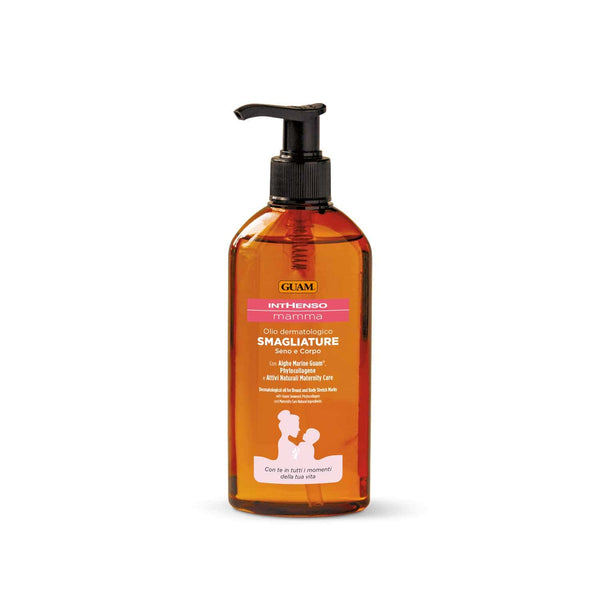
Inthenso Mom Stretch Mark Oil
For the belly, breasts, hips and thighs as skin settles. The Inthenso Mom Stretch Mark Oil blends jojoba, grape seed and sunflower oils, squalane and vitamin E.
- Softens recovering skin
- Light, non-greasy
- Avoid the nipples
Why Do You Get Swollen Legs After Pregnancy?
During pregnancy your body builds up about 50% more blood and extra fluid. After delivery it has to clear all of it, mostly through your kidneys and sweat. Until it does, gravity pulls the fluid into your feet, ankles and legs. That is postpartum edema.
Extra fluid from pregnancy
The fluid you carried for nine months does not leave with the baby. It takes days to a couple of weeks to clear.
IV fluids during labor
An IV drip during labor, an epidural or a C-section adds liters of fluid, which is why swelling often gets worse after delivery before it gets better.
Hormones
Pregnancy hormones that relax blood vessel walls and hold on to water take time to drop back to normal.
Pushing and lying still
Hours of pushing put pressure on the veins of the legs, and resting in bed after birth slows circulation.
Swollen feet after pregnancy with a C-section
After a C-section you usually receive more IV fluids and move less in the first days, so swollen feet and ankles after a C-section are common and can last a little longer. Short, gentle walks as soon as your care team allows make a real difference.
How Long Does Postpartum Swelling in Legs and Feet Last?
| Time after birth | What is typical |
|---|---|
| Days 1-2 | Some swelling, often more after IV fluids or a C-section |
| Days 3-6 | Swelling usually peaks; feet and ankles may feel tight |
| Week 1-2 | You pee and sweat a lot as the fluid leaves; swelling fades |
| After 2 weeks | Most women are back to normal; swollen ankles 3 months after pregnancy are not typical, see your doctor |
Night sweats and needing the bathroom often are good signs: that is your body getting rid of the extra fluid. If swollen legs or swollen ankles after pregnancy are not improving after two weeks, or get worse, check in with your doctor.
What Helps Postpartum Swelling in Feet and Ankles
Here is what to do about swollen feet after pregnancy, safe for C-section recovery and breastfeeding:
Walk a little, often
Short, gentle walks as soon as you are allowed get the calf muscles pumping fluid back up your legs. Ankle circles and foot pumps work even in bed.
Raise your legs
When you feed or rest, put your feet up, ideally above hip level, on a pillow or the arm of the sofa.
Drink plenty of water
Breastfeeding makes you thirsty. Staying hydrated helps your kidneys flush the extra fluid. Go easy on salty snacks.

Compression, if advised
Compression stockings can help, especially after a C-section. Wear them only if your doctor or midwife recommends them.
Gentle upward massage
Massage from ankle to knee with light, upward strokes, using a breastfeeding-safe draining cream like Inthenso Mom. Do not massage a calf that is painful, warm or red.
Loose clothes and comfy shoes
Skip tight socks and shoes that leave marks. Your feet may stay half a size bigger for a few weeks.
When Is Postpartum Swelling Not Normal?
Call your doctor or go to the emergency room right away if you notice:
- One legPostpartum swelling in one leg, especially with pain, warmth or redness in the calf: a possible blood clot (DVT).
- BreathingShortness of breath or chest pain: call emergency services, a clot can travel to the lungs.
- Headache or visionA bad headache, blurred vision, pain below the ribs, or swelling in your face and hands: possible postpartum preeclampsia, which can appear up to 6 weeks after birth.
- Not improvingSwelling that is getting worse after a week or still there after 2 weeks.
The risk of blood clots is highest in the weeks after giving birth, and even higher after a C-section (NHS). A cream is never the treatment for these.
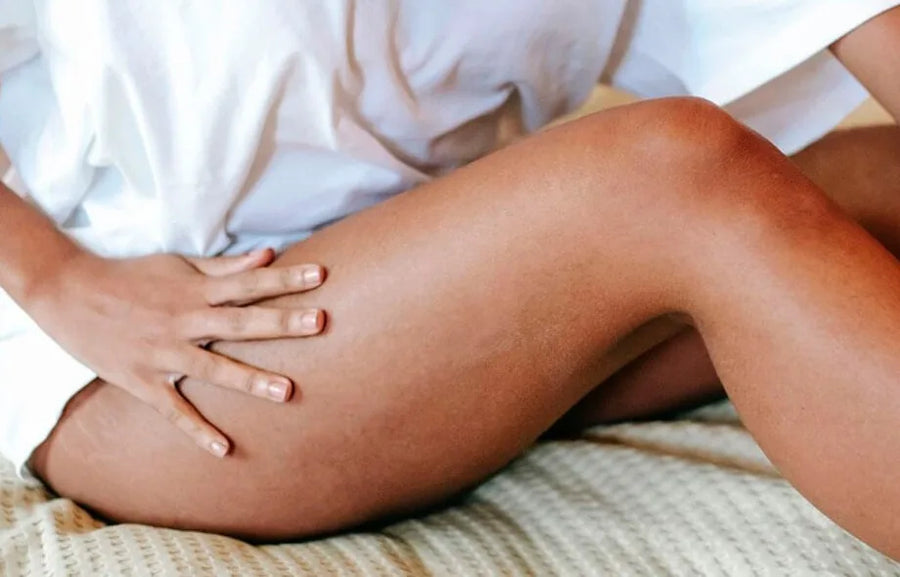
Caring for Your Body After Birth
Once the swelling settles, many moms want to firm the skin on the belly and legs. Read our guides to natural postpartum skin tightening, how to tighten loose skin after pregnancy and our gentle postpartum spa routine. For swelling that is not related to pregnancy, see the best cream for swollen feet and ankles.
Shop GUAM Inthenso Mom
Draining, firming and stretch mark care made in Italy, safe for pregnancy, postpartum and breastfeeding.
Shop Inthenso Mom →Frequently Asked Questions About Postpartum Swelling in Legs and Feet
Is it normal to have swollen feet after pregnancy?
Yes. Swollen feet and ankles after delivery are very common, as your body clears the extra fluid of pregnancy and any IV fluids from labor.
Why is my swelling worse after delivery?
IV fluids, an epidural or a C-section add fluid, and pregnancy hormones are still high. Swelling often peaks 3 to 6 days after birth before it fades.
How long does postpartum swelling in legs last?
For most women it fades within 1 to 2 weeks. If swelling is getting worse after a week or lasts longer than 2 weeks, see your doctor.
Are swollen feet after a C-section normal?
Yes, and they can last a little longer because of extra IV fluids and less movement. Gentle walks as soon as you are allowed help most.
What helps swollen feet and ankles after pregnancy?
Short walks, raising your legs, drinking water, less salt, comfortable shoes, compression if advised, and gentle upward massage with a breastfeeding-safe draining cream.
When is postpartum swelling in one leg dangerous?
Swelling in one leg with pain, warmth or redness can be a blood clot. Call your doctor right away, and call emergency services if you are short of breath.
Can I use a draining cream while breastfeeding?
Yes, if it is made for it. Inthenso Mom Draining Cream is safe during pregnancy, postpartum and breastfeeding. Keep it away from the breasts.
The Bottom Line
Postpartum swelling in legs and feet is normal, usually peaks 3 to 6 days after delivery and fades within 1 to 2 weeks. Walk a little, raise your legs, drink water and massage upward with a breastfeeding-safe draining cream. Swelling in one leg, chest pain, shortness of breath or a bad headache needs a doctor right away.
Sources
