


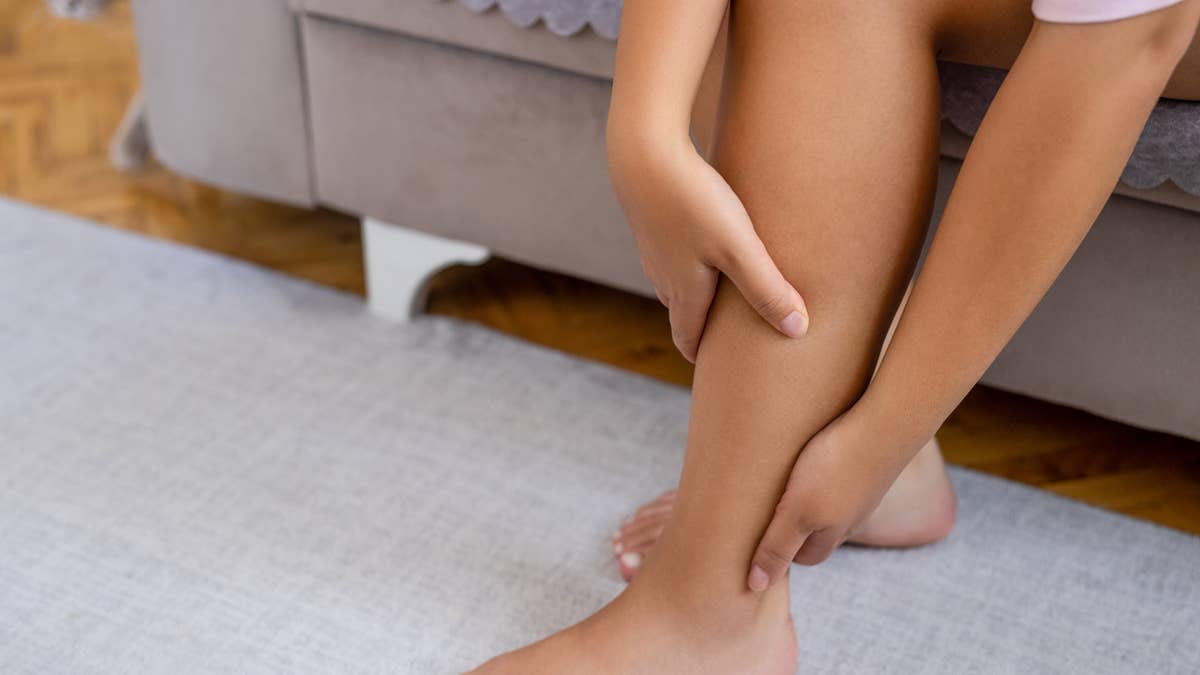
Swollen Feet in Pregnancy: Third Trimester and Week-by-Week Guide
Swollen feet in pregnancy's third trimester are very common: most women notice puffy feet and ankles from around week 28, and swelling often peaks between 37 and 40 weeks. It is usually worse in the evening, in hot weather and after standing, and better after rest. Sudden swelling, swelling in the face or hands, or one leg much worse than the other needs a call to your doctor, especially late in pregnancy.
If you are wondering whether your feet at 32, 36 or 38 weeks are normal, this week-by-week guide shows what to expect from 20 weeks to 40 weeks, what helps, and when to worry.
GUAM has made marine skincare in Italy since 1986, founded by Egidio Siena and built on seaweed harvested off the coast of Brittany. Our Inthenso Mom line is safe for pregnancy, postpartum and breastfeeding.
For the causes and all home remedies, read our main guide to swollen feet for pregnant women.
Pregnancy-Safe Relief for Third Trimester Swelling
Safe in every trimester and while breastfeeding. Keep the draining cream in the fridge for extra-cooling relief on hot evenings. See the full Inthenso Mom range.

Inthenso Mom Draining Cream for Legs and Ankles
For heavy, puffy feet and ankles in late pregnancy. The Inthenso Mom Draining Cream combines GUAM marine algae, escin, horse chestnut and diosmin with cooling menthol.
- Safe in pregnancy and breastfeeding
- Instant cooling for tired feet
- Supports circulation in calves and ankles
- Massage upward, morning and evening
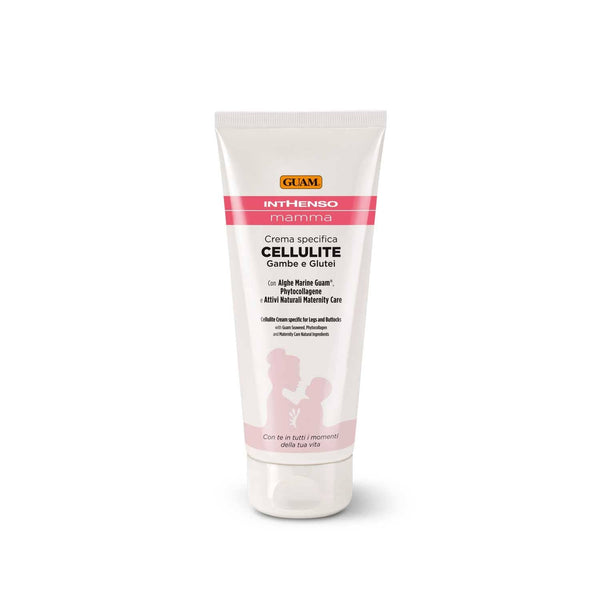
Inthenso Mom Firming Cellulite Cream
For legs, buttocks and hips, with GUAM marine algae, phytocollagen and caffeine.
- Pregnancy-safe
- Firms and smooths
- Legs, buttocks, hips
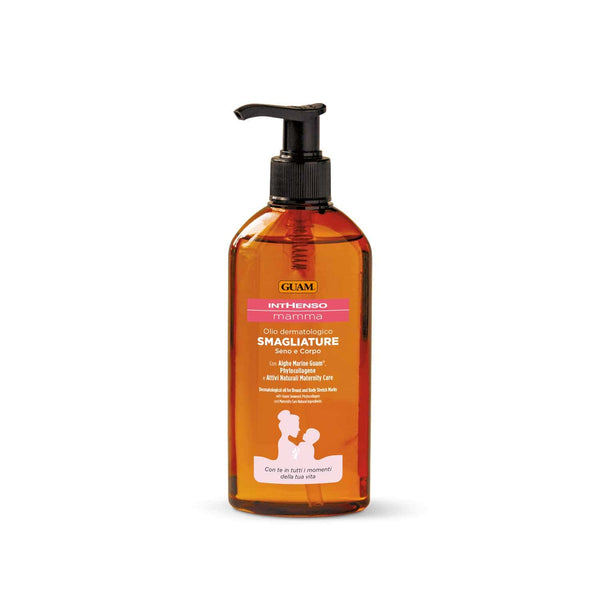
Inthenso Mom Stretch Mark Oil
For the belly, breasts, hips and thighs as your bump grows fastest, with jojoba, grape seed, squalane and vitamin E.
- Keeps stretching skin supple
- Light, non-greasy
- Avoid the nipples
Why Swelling Gets Worse in the Third Trimester
In the last three months your blood and fluid volume are at their highest, and the heavy uterus presses on the veins that bring blood back from your legs. Add warm weather, long days on your feet and less movement, and fluid pools in the feet, ankles and lower legs. That is why swollen ankles in the third trimester and swollen legs are so common (NHS).
Swollen Feet in Pregnancy, Week by Week
| Weeks | What is common | What helps |
|---|---|---|
| 20 weeks (5 months) | Mild puffiness by evening is possible; many women have none yet | Comfortable shoes, short walks |
| 24-25 weeks (6 months pregnant) | Swollen feet in the 2nd trimester start to show after long days | Raise your feet, cut back on salt |
| 28-32 weeks | Third trimester begins; ankles puff up most evenings | Foot exercises, sleep on your left side |
| 33-35 weeks | Swelling is more frequent; shoes may feel tight | Cool foot soaks, draining cream |
| 36-37 weeks | Swelling often peaks; feet and calves feel heavy | Rest with legs up several times a day |
| 38-40 weeks (9 months pregnant) | Swollen feet are very common right up to birth | Short walks, water, gentle massage |
Every pregnancy is different. Some women have no swelling until 36 weeks, others notice it at 25 weeks. What matters is that it builds gradually, affects both feet about equally and improves with rest.
What Helps Swollen Feet in the Third Trimester
Raise your feet
Several times a day, put your feet up above hip level for 15-20 minutes.
Keep moving
Short walks, swimming and foot pumps (flex your feet up and down about 30 times) move fluid back up your legs.
Sleep on your left side
It takes pressure off the large vein that drains your legs.
Cool water
A cool foot soak or 20 minutes in a pool eases puffiness. Avoid hot baths.
Massage and a draining cream
Gentle upward strokes from ankle to knee with a pregnancy-safe draining cream relieve heaviness. Skip deep pressure on the calves.
What Most Moms-to-Be Are Not Told About Swollen Feet
These are the practical things midwives mention in passing and few articles explain. They help you tell normal swelling from a problem and plan for the weeks after birth.
Your feet may really be bigger for good
Not all of it is swelling. In a University of Iowa study, 60-70% of women had longer, flatter feet five months after birth, by 2 to 10 mm, mostly after the first pregnancy. Wait about 5 months postpartum before buying expensive new shoes.
The thumb test
Press your thumb on your shin or the top of your foot for 5 seconds. A small dent that fills back slowly is common late in pregnancy. A deep dent that stays, or swelling that is getting worse fast, is worth showing your midwife.
Check in the morning, not at night
Normal swelling builds through the day and is much better after a night's sleep. If your feet, hands or face are still puffy when you wake up, mention it at your next check.
Take a photo every evening
A quick photo of your feet and a ring check once a week make a sudden change easy to spot and easy to show your doctor.
Know your blood pressure number
Preeclampsia often has no pain at first. A home monitor helps: a reading of 140/90 or higher is a reason to call your maternity unit the same day.
Side-sleeping does two jobs
From 28 weeks, going to sleep on your side is advised to protect your baby (Cronin et al., 2019). The left side also takes pressure off the vein that drains your legs.
Tingling fingers are often swelling too
Fluid around the wrist can press on a nerve (carpal tunnel), causing numb or tingly fingers, worse at night. It is common in the third trimester and usually goes after birth. A wrist splint at night helps.
Do not cut water or use water pills
Drinking less does not reduce swelling. Diuretics, detox teas and slimming teas are not safe in pregnancy unless your doctor prescribes them.
Flying after 28 weeks
Long flights raise the risk of blood clots. Wear well-fitted compression stockings, walk the aisle every hour and do foot pumps in your seat; ask your midwife before booking.
Pack for swollen feet after birth
Swelling often peaks 3 to 6 days after delivery. Pack slip-on shoes half a size bigger and loose socks in your hospital bag. Read more about postpartum swelling in legs and feet.
Is Swelling a Sign of Labor?
Not on its own. Swollen feet late in pregnancy are common whether labor is close or not. Real signs of labor are regular contractions, your waters breaking or a show. But sudden swelling in the last weeks can be a sign of preeclampsia, so always mention it to your midwife.
When to Call Your Doctor
- Sudden swellingA sudden increase in swelling of your feet, hands or face.
- One legOne leg much more swollen than the other, with pain, warmth or redness (possible blood clot).
- Headache or visionSwelling with a bad headache, blurred vision, flashing lights or pain below the ribs (possible preeclampsia).
- Baby moving lessAny change in your baby's movements: call your maternity unit straight away.
A cream is never the treatment for these. After birth, swelling usually peaks for a few days and then fades; read our guide to postpartum swelling in legs and feet.
Shop GUAM Inthenso Mom
Pregnancy-safe draining, firming and stretch mark care, made in Italy. Safe for pregnancy, postpartum and breastfeeding.
Shop Inthenso Mom →Frequently Asked Questions About Swollen Feet in the Third Trimester
Is it normal to have swollen feet at 37 weeks?
Yes. Swelling often peaks between 37 and 40 weeks. It is normal if it builds gradually, affects both feet and improves with rest.
Are swollen feet at 32 weeks normal?
Yes, many women notice puffy ankles in the early third trimester, especially in the evening. Call your doctor if swelling is sudden or affects your face or hands.
Can you get swollen feet in the 2nd trimester?
Yes. Some women notice mild swelling from around 20 to 25 weeks, usually after long days on their feet or in hot weather.
Are swollen feet a sign of labor?
Not on their own. Swelling is common late in pregnancy whether labor is near or not. Sudden swelling can signal preeclampsia, so tell your midwife.
How can I reduce swollen feet at 9 months pregnant?
Raise your feet, take short walks, sleep on your left side, drink water, soak your feet in cool water and massage upward with a pregnancy-safe draining cream.
Will my feet go back to their old size after pregnancy?
Swelling goes within weeks, but many women keep slightly longer, flatter feet. In one study 60-70% of women gained 2 to 10 mm in foot length, mostly after the first pregnancy.
When are swollen ankles in the third trimester dangerous?
When swelling is sudden, in one leg only, in your face or hands, or comes with a bad headache, vision changes or pain below the ribs. Call your doctor right away.
The Bottom Line
Swollen feet in pregnancy's third trimester are normal and often peak around 37 to 40 weeks. Raise your feet, keep moving, sleep on your left side and use cool water and a pregnancy-safe draining cream. Sudden swelling, swelling in one leg, your face or hands, or a bad headache means calling your doctor right away.
Sources
- NHS. Swollen ankles, feet and fingers in pregnancy. nhs.uk
- NHS. Pre-eclampsia. nhs.uk
- Segal NA, et al. Pregnancy leads to lasting changes in foot structure. Am J Phys Med Rehabil. 2013;92(3):232-240.
- Cronin RS, et al. An individual participant data meta-analysis of maternal going-to-sleep position and late stillbirth. EClinicalMedicine. 2019;10:49-57.
- Smyth RMD, Aflaifel N, Bamigboye AA. Interventions for varicose veins and leg oedema in pregnancy. Cochrane Database Syst Rev. 2015;(10):CD001066.
