



Cellulite During Pregnancy: Why It Happens and What You Can Safely Do About It
Yes, cellulite during pregnancy is normal. Pregnancy hormones raise fat storage, hold on to fluid and soften connective tissue all at once, so cellulite often appears or gets worse on the thighs, buttocks and legs. Part of it fades after birth, and you can treat it safely with pregnancy-safe creams, gentle massage and movement.
Cellulite in pregnancy is one of the most common skin changes expecting moms notice, often alongside stretch marks and swollen ankles. It is not a sign that you are doing anything wrong. Most women see more cellulite when pregnant, even if they never had much before.
This guide covers why it happens, whether pregnancy cellulite goes away after birth, and what you can safely use to treat it. GUAM has made seaweed skincare in Italy since Egidio Siena created the first GUAM seaweed treatment in 1986, using Atlantic seaweed from Brittany. We created our Inthenso Mom line for exactly this stage. After breastfeeding, our seaweed mud wraps take over: in our 2024 clinical study, 8 wraps in 4 weeks reduced cellulite nodules by 81%.
Not sure which product fits you? The GUAM formula quiz has a pregnancy option that only recommends pregnancy-safe products.
How to Manage Cellulite During Pregnancy
| What you notice | Start with | How to use it |
|---|---|---|
| Dimpled thighs and buttocks | Inthenso Mom Firming Cellulite Cream | Morning and evening, massaged upward |
| Heavy, puffy legs and ankles that make cellulite look worse | Inthenso Mom Draining Cream for Legs and Ankles | Morning and evening, massaging toward the knee |
| Stretch marks starting on the belly, breasts or hips | Inthenso Mom Stretch Mark Oil | Daily on dry or stretching skin |
| Cellulite still there after birth and breastfeeding | A full GUAM seaweed body wrap course | 12 wraps over 4 weeks, once you are no longer breastfeeding |
All three Inthenso Mom products are safe during pregnancy, postpartum and breastfeeding. See the full range in the Inthenso Mom maternity collection.
Understanding Cellulite During Pregnancy
What is cellulite?
Cellulite is the dimpled, uneven skin texture that appears when fat pushes up against the bands of connective tissue under the skin. It affects women of every body type: Cleveland Clinic estimates 80% to 90% of women have some. Hormone and weight changes make it more visible, which is why pregnancy cellulite is so common.
Does pregnancy cause cellulite?
Pregnancy does not create cellulite out of nowhere, but it brings out and worsens what is there. Many women notice more cellulite during pregnancy for three reasons:
- More fat storageThe body stores extra fat to support the baby and prepare for breastfeeding, mostly on the thighs, hips and buttocks.
- Fluid and circulationPregnancy hormones make the body hold more fluid, and slower circulation in the legs makes the skin look puffier and more uneven.
- Softer connective tissueHormones loosen connective tissue so the body can stretch, which lets fat push through more easily.
Pregnancy-Safe Cellulite Treatment: GUAM Inthenso Mom
Three Inthenso Mom formulas cover the main skin changes of pregnancy: cellulite, fluid retention and stretch marks. All three are safe during pregnancy, postpartum and breastfeeding.
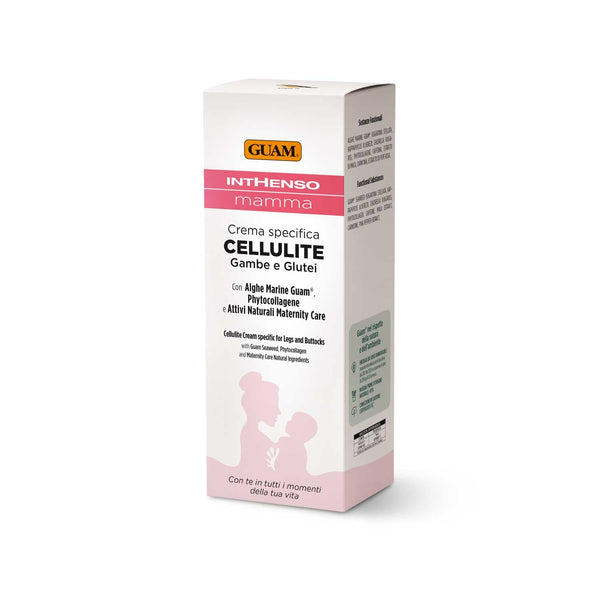
Inthenso Mom Firming Cellulite Cream: Cellulite Treatment During Pregnancy
For dimpled thighs and buttocks while you are pregnant or nursing. Inthenso Mom Firming Cellulite Cream tones and smooths with GUAM marine algae, phytocollagen, maca and pink pepper.
- Firms and smooths legs and buttocks
- Helps prevent stretch marks too
- Deeply hydrates stretched skin
- Massage in upward, morning and evening
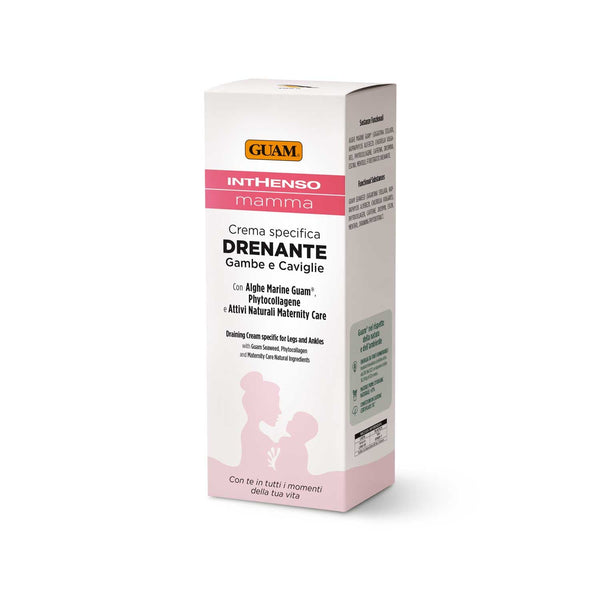
Inthenso Mom Draining Cream for Legs and Ankles
For the puffy, heavy legs that make pregnancy cellulite look worse. Inthenso Mom Draining Cream refreshes and lightens legs and ankles with GUAM marine algae, phytocollagen and diosmin.
- Eases swelling in legs and ankles
- Refreshing, light texture
- Leaves legs feeling lighter
- Massage toward the knee, morning and evening
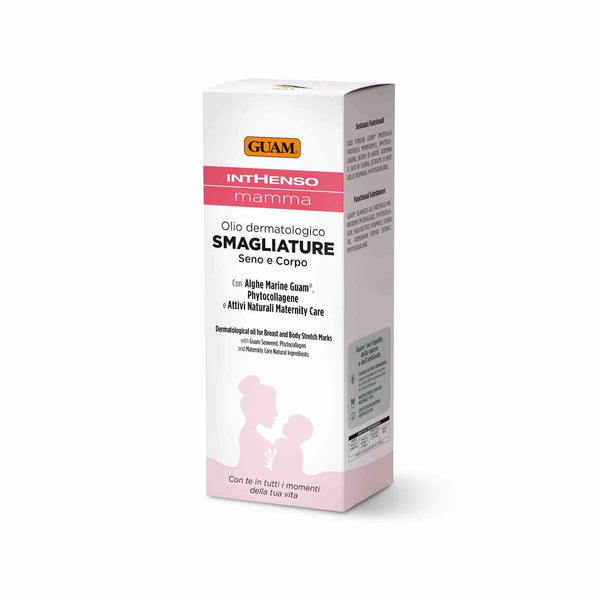
Inthenso Mom Stretch Mark Oil for Breasts and Body
For skin stretching on the belly, breasts and hips. Inthenso Mom Stretch Mark Oil keeps skin supple with GUAM algae oil, phytocollagen, shea butter, jojoba and vitamin E. Compare options in our pregnancy stretch mark cream guide.
- Helps prevent and fade stretch marks
- Lightweight and non-greasy
- Keeps stretching skin supple
- Use daily from the second trimester
Common Areas Affected by Cellulite in Pregnancy
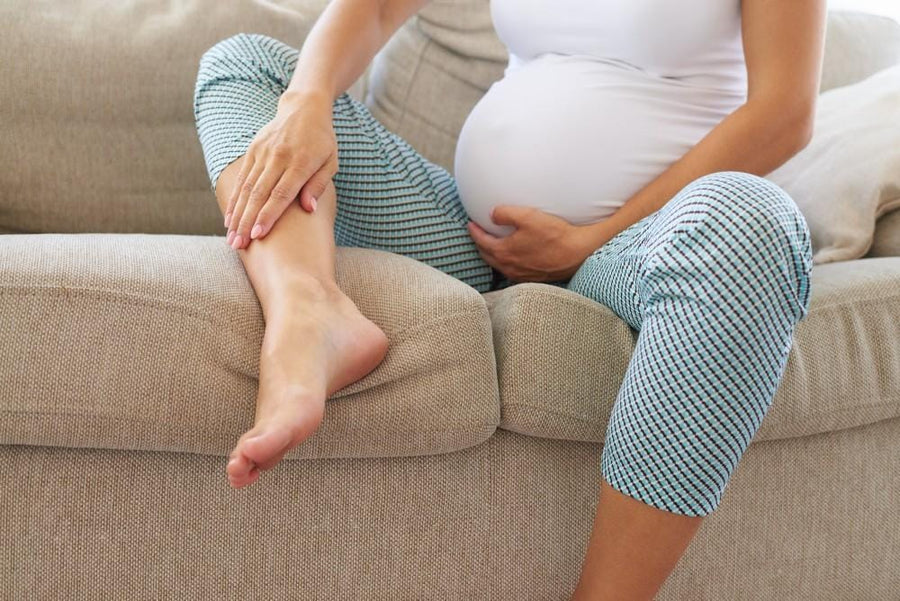
Thighs and legs. Cellulite on legs during pregnancy is the most common, because fat storage and fluid retention both concentrate there. If your legs feel heavier as well as looking dimpled, fluid is part of the picture.
Buttocks. One of the first places cellulite while pregnant becomes visible, as estrogen directs fat to the hips and bottom.
Stomach. Stretching skin and shifting fat can leave dimpling and stretch marks on the belly.
Arms. Some women notice cellulite on the upper arms as weight increases and skin elasticity changes.
Many women ask how to stop their legs getting fat during pregnancy. Some extra fat on the thighs is normal and needed. What you can influence is fluid: moving every day, raising your legs and a draining cream all help the legs look and feel lighter.
The Role of Hormonal Changes in Pregnancy-Related Cellulite
Hormones are the main reason cellulite gets worse during pregnancy. Each one affects fat, fluid or skin structure in a different way.
Estrogen and fat storage
Estrogen encourages fat storage on the thighs, hips and buttocks, the areas already prone to cellulite.
Progesterone and fluid retention
Progesterone relaxes blood vessel walls, which slows circulation in the legs and leads to fluid retention and swelling.
Relaxin and connective tissue
Relaxin softens ligaments and connective tissue to prepare for birth. Softer tissue also lets fat cells push toward the surface more easily.
Cortisol and stress
Pregnancy can be physically and emotionally demanding. Higher stress hormones are linked to more fat storage around the stomach and thighs.
Will Pregnancy Cellulite Go Away After Birth?
Some of it does. Will pregnancy cellulite go away completely? Usually not on its own.
The fluid part fades. The puffiness and heaviness from water retention tends to ease within weeks of giving birth as hormone levels drop and circulation settles.
The structural part stays. Connective tissue that has softened and fat that was redistributed do not automatically reset. Cellulite after pregnancy that comes from these changes usually needs targeted treatment to visibly improve.
So does cellulite go away after pregnancy? Partly, and how much depends on how much was fluid and how soon you start treating it. Once you have finished breastfeeding, a full seaweed wrap course is the most effective next step. Our guides to natural postpartum skin tightening and how to tighten loose skin after pregnancy cover the postpartum plan.
What Cellulite Treatments Are Safe During Pregnancy?
If you are wondering how to get rid of cellulite during pregnancy, start with what is safe. Most standard anti-cellulite treatments are not designed for pregnancy. GUAM seaweed mud wraps are effective for cellulite in general, but they are intensive treatments with active minerals and far infrared (FIR) warmth, the deep, gentle heat that minerals in the mud release on the skin. We advise against using them while pregnant unless your doctor approves.
The Inthenso Mom line was made for this stage. Each product uses GUAM marine algae, phytocollagen and natural maternity-care actives, and is formulated to be safe during pregnancy, postpartum and breastfeeding. As with any new product in pregnancy, patch test first and check with your midwife or doctor if you have a skin condition.
| Treatment | During pregnancy | Why |
|---|---|---|
| Inthenso Mom creams and oil | Yes | Formulated for pregnancy, postpartum and breastfeeding |
| Gentle massage and dry brushing | Yes | Supports circulation; avoid pressure on varicose veins |
| Walking, swimming, prenatal yoga | Yes | Improves circulation and muscle tone |
| Heated or far infrared mud wraps | Not without your doctor | Intensive heat and actives over large areas |
| Retinoid creams | No | Retinoids are not recommended in pregnancy |
| Clinic treatments (lasers, injections, radiofrequency) | No | Wait until after pregnancy and breastfeeding |
Can You Prevent Cellulite During Pregnancy? Expert Tips for Expecting Moms
You cannot fully prevent pregnancy cellulite, because hormones drive most of it. You can keep it milder and keep your skin firmer with a few habits.
Healthy diet for skin and circulation
Eat leafy greens, berries, nuts and omega-3-rich foods like salmon and flaxseed to support skin. Drink plenty of water: being well hydrated helps your body manage fluid, and water-rich foods like cucumber and watermelon count too.
Safe and effective exercise
Walking, swimming and prenatal yoga boost circulation without straining your joints. The NHS recommends about 150 minutes of moderate activity a week in pregnancy if you are well. Light strength work like squats and lunges tones the legs and glutes, which makes cellulite less noticeable.
Healthy weight gain
Weight gain in pregnancy is natural and necessary. Aim for steady gain in line with your midwife or doctor, and choose nutrient-dense foods over empty calories. Rapid gain stretches skin faster and can make cellulite more visible.
Massage and Lymphatic Drainage
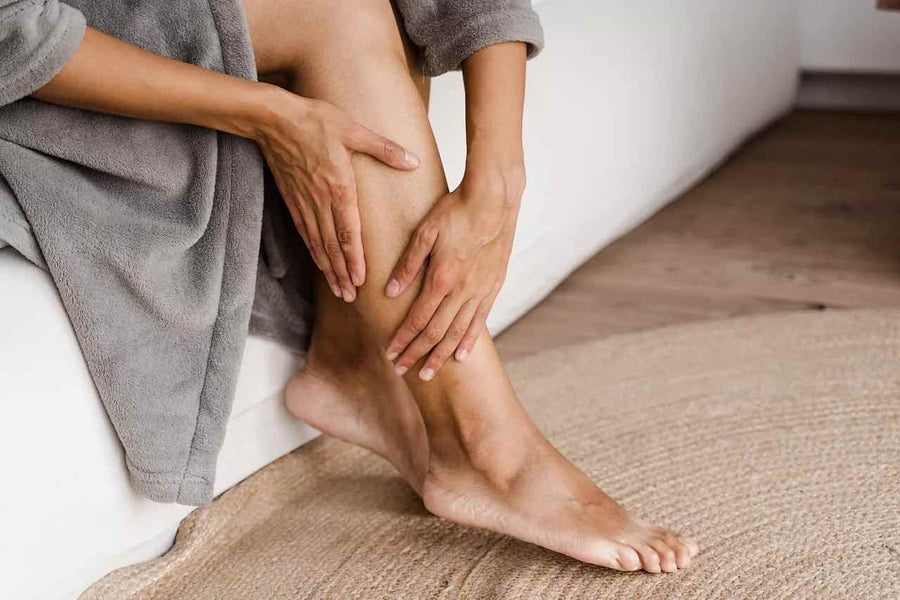
Gentle massage improves circulation and reduces the fluid that makes cellulite more visible. Massage your cream or oil in with upward strokes from the ankles toward the knees and thighs, and try a prenatal massage with a trained therapist. Dry brushing before a shower, with a soft brush and light pressure, also stimulates the skin.
Rest with your feet raised when you can, and alternate warm and cool water on your legs in the shower to wake up circulation. For more ideas, see our guides to cream for swollen feet and ankles and swollen feet during pregnancy.
Important: some swelling is normal in pregnancy, but sudden swelling of the face, hands or feet, especially with a headache or vision changes, can be a sign of pre-eclampsia. Call your midwife or doctor straight away.
Daily Routine for Healthy Skin
A simple, consistent routine makes a real difference to skin elasticity, hydration and circulation during pregnancy.
- MorningGentle, hydrating body wash. Massage Inthenso Mom Firming Cellulite Cream into thighs and buttocks. Sunscreen on exposed skin.
- EveningDraining cream on legs and ankles with upward strokes, then stretch mark oil on the belly, breasts and hips.
- 2 to 3 times a weekA mild scrub, like a sugar or coffee scrub, to boost circulation and smooth the skin surface.
- Every night7 to 9 hours of sleep with your legs slightly raised on a pillow. Rest lowers stress hormones and helps your skin repair.
Frequently Asked Questions
Is it normal to get cellulite during pregnancy?
Yes. Estrogen raises fat storage, progesterone causes fluid retention and relaxin softens connective tissue, so most women see more cellulite on the thighs, buttocks, stomach or arms.
Does cellulite get worse during pregnancy?
Often, yes. Extra fat storage, fluid retention and softer connective tissue all make dimpling more visible, especially in the third trimester when swelling peaks.
Will pregnancy cellulite go away after birth?
Partly. The fluid part fades within weeks as hormones settle. The structural part, from softened tissue and redistributed fat, usually needs treatment, such as a GUAM wrap course once breastfeeding ends.
How do I get rid of cellulite while pregnant?
Use a pregnancy-safe cream like Inthenso Mom Firming Cellulite Cream twice a day, massage your legs upward, stay active and drink plenty of water. Save intensive treatments for after pregnancy.
What cellulite treatments are safe during pregnancy?
Creams made for pregnancy, like the GUAM Inthenso Mom line, plus massage, dry brushing and gentle exercise. Avoid retinoids, clinic treatments and heated wraps unless your doctor approves.
Can I use anti-cellulite cream while breastfeeding?
Use creams formulated for breastfeeding, like Inthenso Mom. Wait until you have finished breastfeeding before starting standard anti-cellulite creams and GUAM seaweed mud wraps.
How do I stop my legs getting fat during pregnancy?
Some fat on the thighs is normal and needed. Keep legs lighter by walking daily, raising your feet, staying hydrated and using a draining cream like Inthenso Mom Draining Cream.
The Bottom Line on Pregnancy Cellulite
Cellulite in pregnancy is normal and mostly hormonal. Part of it fades after birth; the rest responds to treatment. While pregnant or breastfeeding, use the Inthenso Mom line, gentle massage and daily movement. Once breastfeeding ends, a full GUAM seaweed body wrap course treats what is left.
Sources
- Cellulite: causes, treatment and prevention, Cleveland Clinic.
- Common skin conditions during pregnancy, American Academy of Family Physicians.
- Exercise in pregnancy, NHS.
- Swollen ankles, feet and fingers in pregnancy, NHS.
- Amuso D. et al. GUAM seaweed mud clinical study, 2024, J Cosmet Dermatol.
