


Best Stretch Mark Cream for Pregnancy: How to Prevent and Fade Them Safely
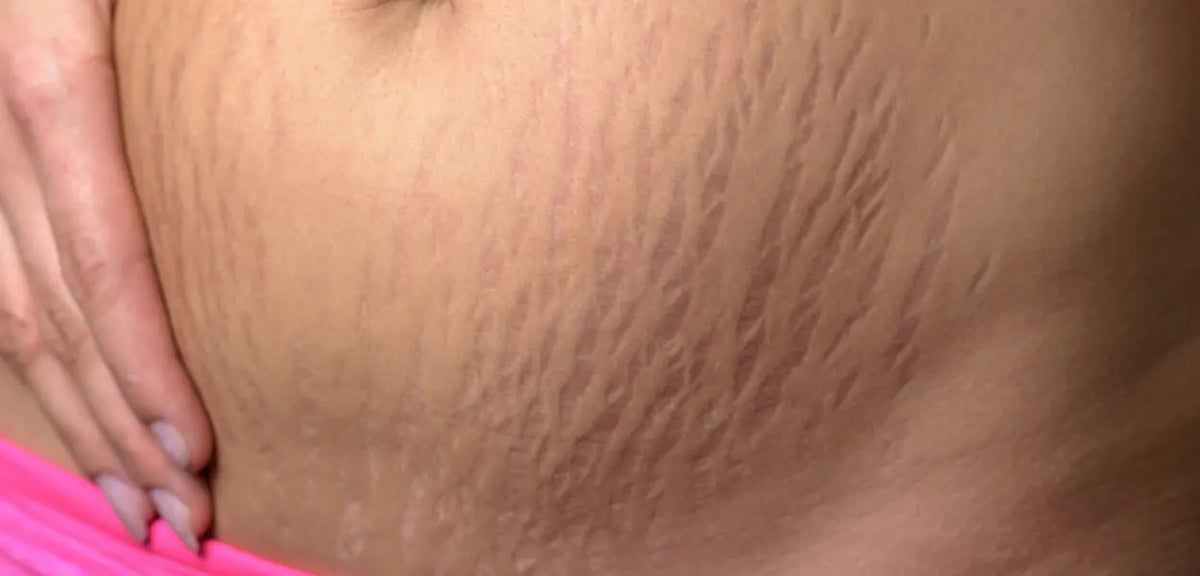
Stretch marks during pregnancy are not a skincare failure. They are a structural event: the dermis stretches faster than its collagen and elastin fibers can keep pace with, leaving scar tissue that ranges from red and raised to white and flat. Genetics determines how susceptible you are. What you do from early pregnancy onward determines severity.
Most stretch mark creams for pregnancy are marketed without distinguishing between what is safe during pregnancy and what works. The two things are not always the same. Retinoids, among the most evidence-backed ingredients for fading stretch marks, are not safe during pregnancy. High-dose AHAs are a similar story.
This page covers the best stretch mark cream for pregnancy, when to start, and what to move to postpartum once breastfeeding ends. If you are still pregnant and dealing with cellulite alongside stretch marks, see Cellulite During Pregnancy for what is safe to use now.
Best Pregnancy Stretch Mark Cream by Stage: Quick Picks
| Your stage | Best pick | How to use |
|---|---|---|
| Pregnancy, from weeks 8 to 12: stomach, breasts, hips, inner thighs |
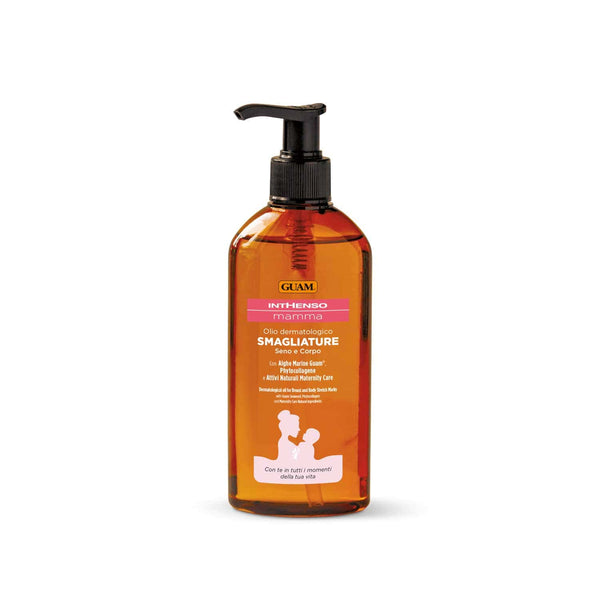
Inthenso Mom Stretch Mark Oil: Phytocollagen and Guam algae oil Start here |
Morning and evening, every day |
| Breasts during pregnancy | Inthenso Mom Stretch Mark Oil | Upward circular strokes from the base of the breast |
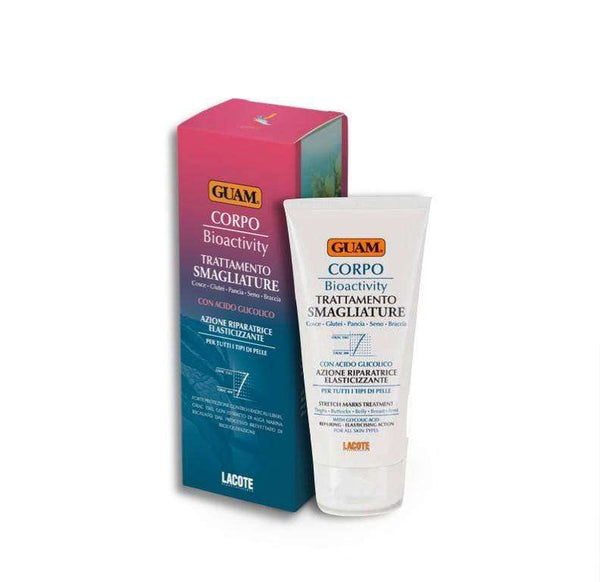
| After breastfeeding: existing marks | Bioactivity Stretch Marks Cream: Glycolic Acid and Bioactivity Extract | Daily, only once breastfeeding is complete |
| Skip while pregnant | Retinoids (retinol, tretinoin), high-dose AHAs, some essential oils | Check every label |
See the full Inthenso Mom pregnancy-safe collection.
Can You Actually Prevent Stretch Marks During Pregnancy?
Partially. Genetics is the dominant factor: if your mother developed significant stretch marks during pregnancy, your risk is higher regardless of what you apply. The NHS lists pregnancy and a family history among the main risk factors, and a Cochrane review found no high-quality evidence that any cream fully prevents them. But skin that is well hydrated, elastin-rich, and mineral-dense stretches more gracefully than skin that is depleted. The goal of stretch mark prevention during pregnancy is not to defy genetics, it is to give your skin the best possible conditions for stretching.
Three mechanisms matter.
Hydration
Dry skin loses elasticity and tears at lower tension, so consistent daily application of a nourishing oil or cream keeps the stratum corneum pliable.
Collagen support
Ingredients that stimulate collagen synthesis, such as Phytocollagen and Marine Algae peptides, help maintain the dermal scaffold as it expands.
Mineral density
Marine seaweed formulas supply minerals such as iodine, magnesium, and calcium, which support skin hydration and resilience while it stretches.
The Best Stretch Mark Cream for Pregnancy and Postpartum, by Stage
Two stages, two products. The products are different because the requirements are different. During pregnancy, the priority is safety and prevention. Postpartum, the priority is active repair of existing marks.
Inthenso Mom Stretch Mark Oil: Best During Pregnancy
For the stomach, breasts, hips and thighs from the first trimester. The Inthenso Mom Stretch Mark Oil is safe during all trimesters and breastfeeding, with Guam algae oil, Phytocollagen, Shea Butter, Vitamin E and Jojoba Oil.
- Improves skin elasticity while the skin stretches
- Helps prevent new marks and soften existing ones
- Deeply hydrates, gentle on sensitive skin
- Light, non-greasy, apply morning and evening
Bioactivity Stretch Marks Cream: Best After Pregnancy
For existing marks once breastfeeding is complete. The Bioactivity Stretch Marks Removal Cream combines Glycolic Acid with Bioactivity Extract from GUAM seaweed. Because it contains glycolic acid, do not use it during pregnancy.
- Stimulates the synthesis of collagen and elastin
- Promotes the skin repair process
- Visibly fades long-existing marks
- For stomach, breasts and lower body
When to Start Using Stretch Mark Cream During Pregnancy
The answer is earlier than most women think. The first trimester is the right time to begin, not because the skin is visibly stretching yet, but because the connective tissue is already responding to the hormonal changes that precede visible growth. Progesterone begins softening ligaments and connective tissue from early pregnancy. Starting a daily routine in weeks 8 to 12 means the skin is already supported before the rapid growth phase of the second trimester begins.

Apply morning and evening to the stomach, breasts, hips, and inner thighs, the four areas most commonly affected. These do not need to be separate products. A single pregnancy-safe formula applied consistently covers all of them. The key variable is consistency, not frequency. Once daily applied every day outperforms twice daily applied intermittently.
Continue through all three trimesters and into the postpartum period. The skin continues stretching until the final weeks of pregnancy and is still vulnerable to new marks in the weeks immediately after birth as the uterus contracts and body composition shifts.
Pregnancy Skin Care to Avoid: Stretch Mark Ingredients That Are Not Safe
Knowing what counts as pregnancy skin care to avoid matters as much as knowing what to use. The most effective over-the-counter ingredients for fading existing stretch marks, retinoids and high-dose AHAs, are not safe during pregnancy. The American Academy of Dermatology advises avoiding retinoids during pregnancy, including prescription forms like tretinoin and tazarotene as well as over-the-counter adapalene, and the NHS advises against retinoid creams, which include retinol. Glycolic acid and other AHAs at high concentrations should also be avoided; low concentrations in rinse-off products are generally considered lower risk, but the safer approach is to avoid them during pregnancy if alternatives exist.
Essential oils also require attention. Carrot seed oil, sage, cinnamon bark, and high-dose citrus oils are restricted. The safest approach during pregnancy is to use formulas specifically developed for this stage, products that have been formulated and tested with pregnancy-safe ingredient lists, not standard formulas that happen to omit retinoids.
Stretch Marks on Breasts During Pregnancy
Breast stretch marks are among the earliest and most common to appear during pregnancy. The breasts can grow by one to two cup sizes during pregnancy, much of it starting in the first trimester, as glandular tissue expands and blood flow increases. The skin here is thinner than the abdomen and has less existing collagen density, which makes it more vulnerable to tearing than many women expect.
The same products work for breasts as for the stomach: the Inthenso Mom Stretch Mark Oil applied morning and evening from early pregnancy. The technique matters. Apply with upward circular strokes from the base of the breast upward, which also supports lymphatic drainage in an area prone to fluid accumulation during pregnancy.
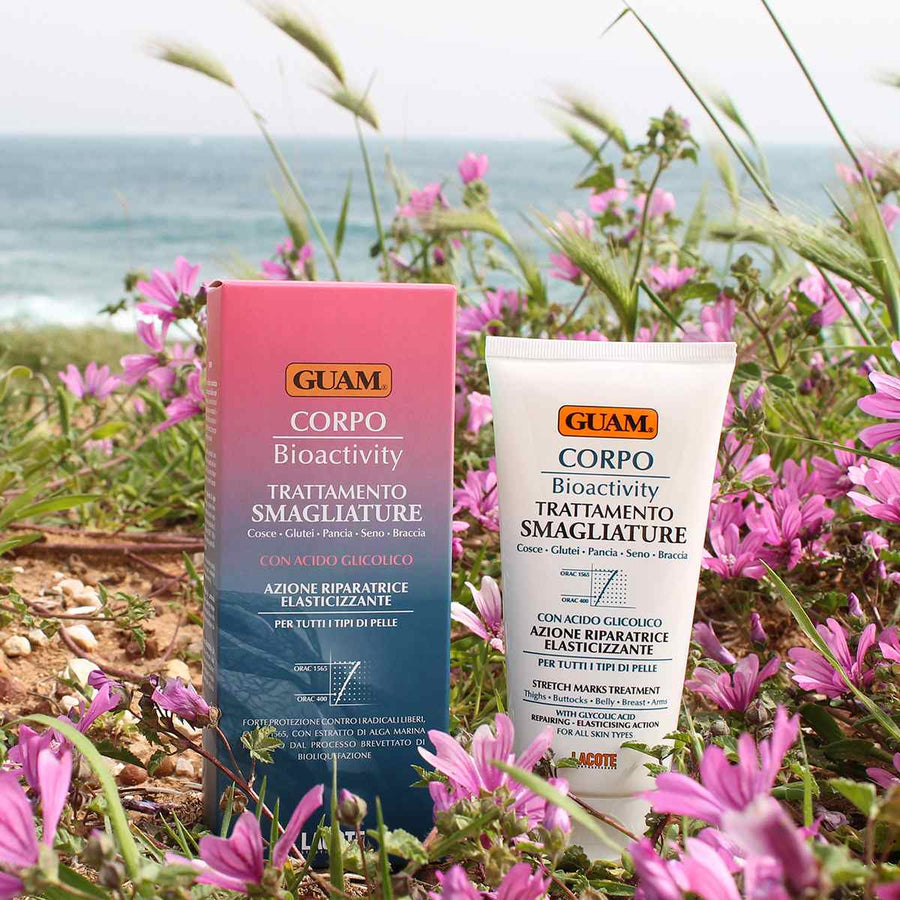
Postpartum, the breasts go through a second round of rapid change as milk production begins and ends. This second cycle of expansion and contraction is when many women find that marks they thought had faded become more visible again. The Bioactivity Stretch Marks Cream addresses both the original pregnancy marks and any new marks from this postpartum cycle, once breastfeeding is complete.
For loose skin and belly firming specifically after birth, see postpartum skin tightening. For the full week-by-week postpartum recovery plan covering drainage, firming, and stretch marks in sequence, see the Postpartum Spa Routine.
Frequently Asked Questions
What is the best stretch mark cream for pregnancy?
GUAM Inthenso Mom Stretch Mark Oil is formulated specifically for pregnancy and breastfeeding. It contains Phytocollagen, Marine Algae, and Caffeine, safe for all trimesters.
When should I start using stretch mark cream during pregnancy?
Start in the first trimester, around weeks 8 to 12. The connective tissue is already responding to hormonal changes before the skin visibly stretches. Apply morning and evening to the stomach, breasts, hips, and inner thighs.
What stretch mark ingredients are not safe during pregnancy?
Avoid retinoids (retinol, tretinoin, retinyl palmitate) and high-dose AHAs like glycolic acid. Use formulas specifically formulated and tested for pregnancy safety.
Can you prevent stretch marks during pregnancy?
Genetics is the main factor. Daily application of a hydrating, collagen-supporting formula from early pregnancy helps your skin stretch. You cannot guarantee prevention, but you can improve conditions.
Where should I apply stretch mark cream during pregnancy?
The stomach, breasts, hips, and inner thighs, the four areas most commonly affected. One pregnancy-safe formula covers all of them. Consistency matters more than frequency.
What is the best lotion for stretch marks in pregnancy?
A light, fast-absorbing formula you will use every day. Inthenso Mom Stretch Mark Oil has a non-greasy texture with Phytocollagen, Shea Butter, Vitamin E and Jojoba Oil.
How do I prevent stretch marks on my breasts during pregnancy?
Apply a pregnancy-safe oil morning and evening from early pregnancy, using upward circular strokes from the base of the breast. The skin here is thinner and stretches early.
How do I treat stretch marks after pregnancy?
Once breastfeeding is complete, GUAM Bioactivity Stretch Marks Cream combines Glycolic Acid and Bioactivity Extract to actively repair existing marks through collagen stimulation and cell turnover. See our postpartum stretch mark cream guide.
The Bottom Line
The best stretch mark cream for pregnancy is one that is safe for every trimester and that you use every day from weeks 8 to 12: start with the Inthenso Mom Stretch Mark Oil on the stomach, breasts, hips and thighs. Skip retinoids and high-dose AHAs while pregnant, and move to the Bioactivity Stretch Marks Cream once breastfeeding is complete.
Sources
- American Academy of Dermatology, Dermatologist-approved pregnancy skin care.
- NHS, Stretch marks.
- Brennan M, Young G, Devane D. Topical preparations for preventing stretch marks in pregnancy. Cochrane Database of Systematic Reviews. 2012. Summary.
